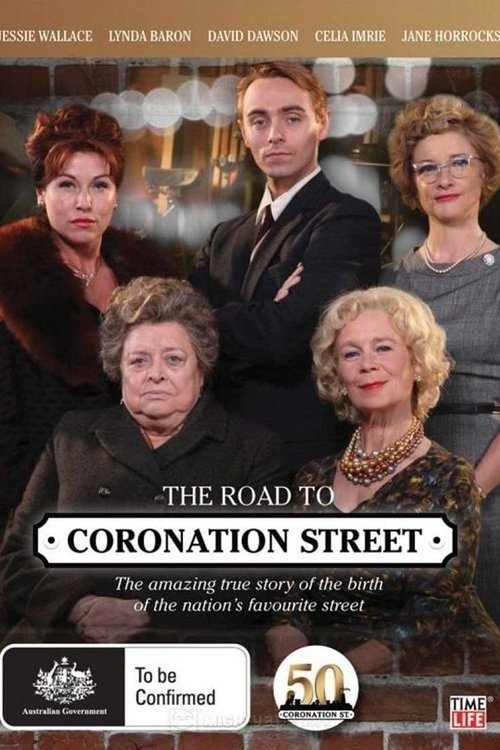
The Road to Coronation Street
2010
No user ratings available yet
Diversity score: 2.4 out of 10
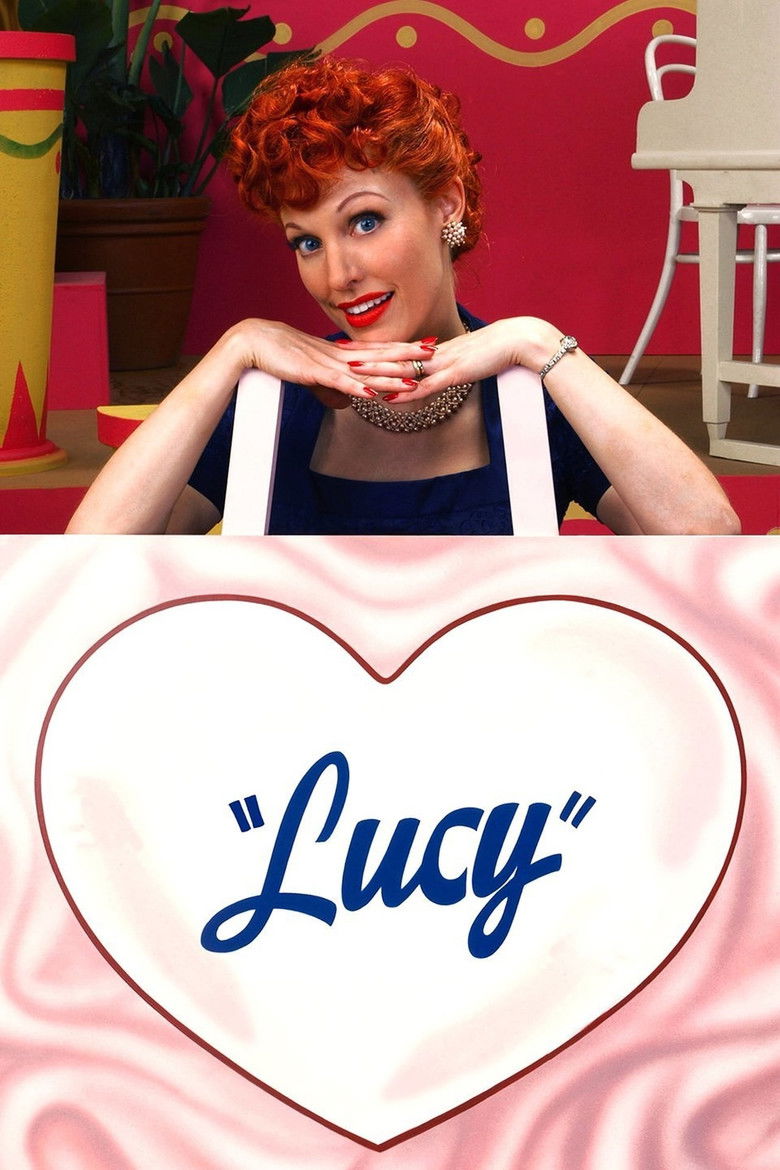
2003
Director
Glenn Jordan
Runtime
128 minutes
Average Rating
No ratings yetSynopsis
MOW about the life of Lucille Ball, focusing on the loving yet tumultuous relationship with Desi Arnaz.
Overall Score
Limited
Category Breakdown
LGBTQ+ Representation
The film centers on a heteronormative romance between Lucille Ball and Desi Arnaz. It lacks representation of non-cisnormative identities or critiques of traditional romantic models.
Gender Representation
While the story features a powerful female protagonist, it focuses on the domestic and professional tensions of mid-century gender roles. The narrative leans toward traditional depictions of feminine struggle within a marriage.
Racial & Ethnic Diversity
The film highlights the historical milestone of an interracial marriage between a white American woman and a Cuban man. However, it prioritizes celebrity biography over broader systemic racial dynamics.
Religious & Cultural Diversity
The narrative operates within a traditional Western biographical framework. It emphasizes personal legacy and family values rather than critiquing Western institutions or exploring moral relativism.
Disability Representation
There is no documented evidence regarding the portrayal of physical or neurodivergent disabilities in this biographical drama.
Strengths
Areas for Improvement
AI Analysis
Lucy (2003) is a conventional biographical drama that prioritizes the personal history of Lucille Ball and Desi Arnaz. Its narrative structure follows a traditional trajectory, focusing on the interpersonal dynamics of a high-profile celebrity marriage. The film's primary contribution to diversity is its depiction of a significant interracial relationship. However, this is framed through the lens of romantic drama rather than a systemic exploration of ethnic or racial dynamics. Overall, the film adheres to mid-20th-century social hierarchies and traditional storytelling tropes, focusing on individual legacy and domestic stability rather than progressive social critique.
2010
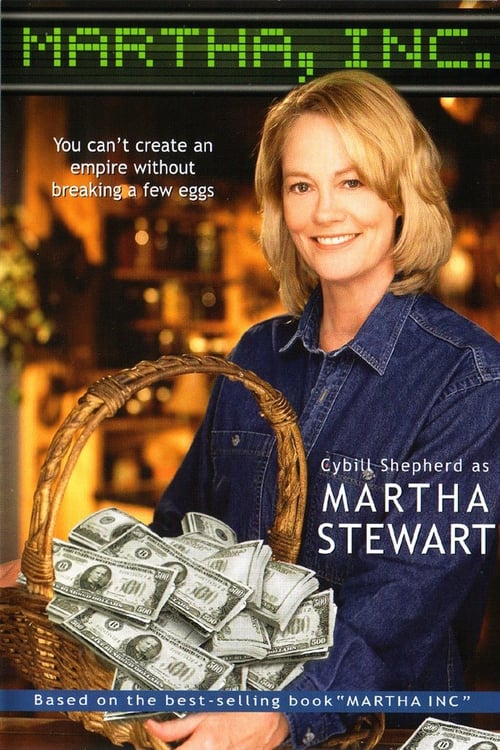
2003
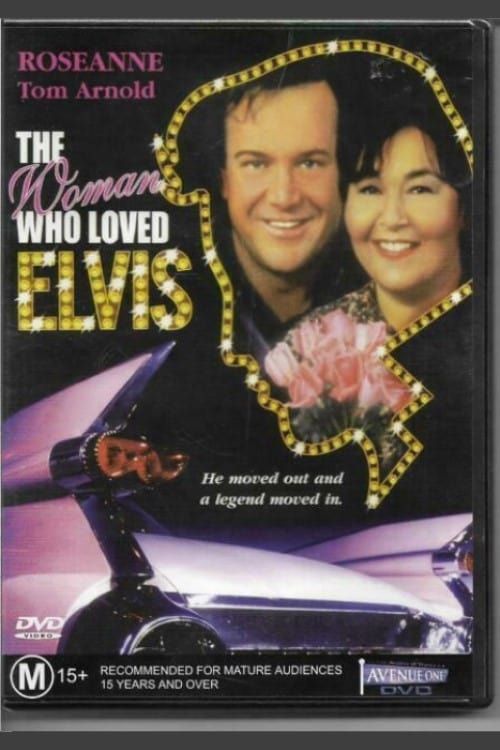
1993

2005

2015
2011
2004
2006

2021
2002

1986
1998
No reviews yet. Be the first to share your thoughts on this movie!
Use the rating form above to leave a star rating and optional review.