Classic Albums: Peter Gabriel - So
2012
No user ratings available yet
Representation score: 1.3 out of 10
Representation Score
Good
1997
Director
Jeremy Marre
Runtime
75 minutes
Average Rating
No ratings yetNew Showbiz Analysis
This documentary succeeds by breaking down the 'Western artist as savior' stereotype. It places South African musicians at the forefront of the creative process, giving them a significant role in driving the story. The film addresses the ethical complexities of the apartheid era with nuance. It explores the tensions between Western institutions and South African political realities as a central theme. While it does not represent LGBTQ+ or disability identities, its strength lies in its multi-vocal approach to global musical collaboration and cultural synthesis.
Category Breakdown
The documentary does not focus on LGBTQ+ identities or non-conforming gender narratives. It lacks specific depictions of queer identities or critiques of the assumption that everyone is straight.
The narrative highlights the professional expertise and creativity of the musicians rather than traditional gender roles. It emphasizes their technical skills and contributions to the music.
The film showcases Black South African musicians as key creative architects. It challenges Western-centric views by emphasizing their intellectual contributions to the music.
The documentary delves into post-colonial themes and global power dynamics. It examines the tension between the international cultural boycott and local artistic expression.
There are no clear depictions of physical or neurodivergent disabilities. The focus remains on musical production and the political context of the time.
Present on Screen
Limited or Absent
Official Synopsis
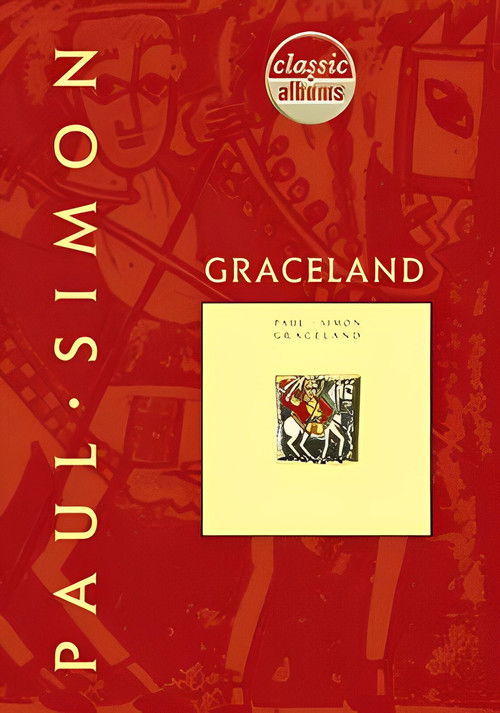
Singer-songwriter Paul Simon had been on the cutting-edge of pop music throughout most of the 1960s and the '70s, first as half of the seminal folk-rock duo Simon & Garfunkel, and then as a well-received solo artist. But the rise of 1980s rock and new wave saw a decline in Simon's commercial success, and the singer responded by experimenting with different musical styles--most notably, world beat--that culminated in his adventurous 1986 masterpiece GRACELAND. The album's fusion of American folk-rock songwriting and buoyant South African rhythms not only broke new ground in pop music, but became Simon's biggest-selling solo record. This episode of the CLASSIC ALBUMS series examines the making of Simon's groundbreaking work through interviews, behind-the-scenes footage, music videos, and live performances of album tracks such as "Boy in the Bubble," "Diamonds on the Soles of Her Shoes," "You Can Call Me Al," and "Under African Skies."
2012

1997
2010
1999
1997

2002
2007
2008
No reviews yet. Be the first to share your thoughts on this movie!
Use the rating form above to leave a star rating and optional review.