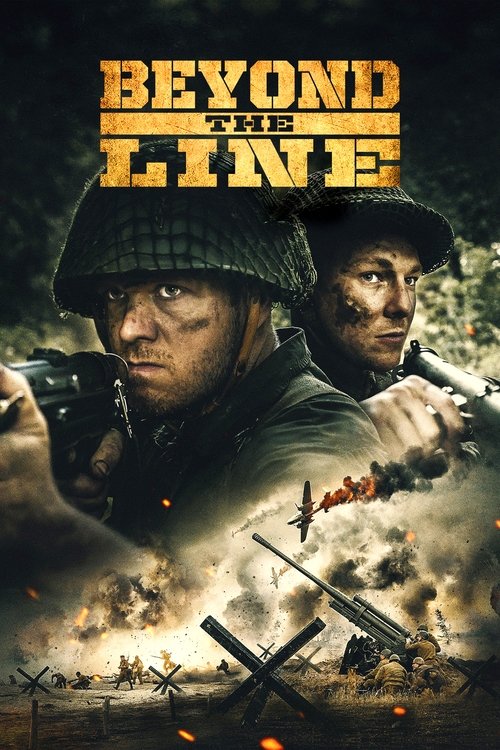
Beyond the Line
2019
No user ratings available yet
Diversity score: 3.6 out of 10
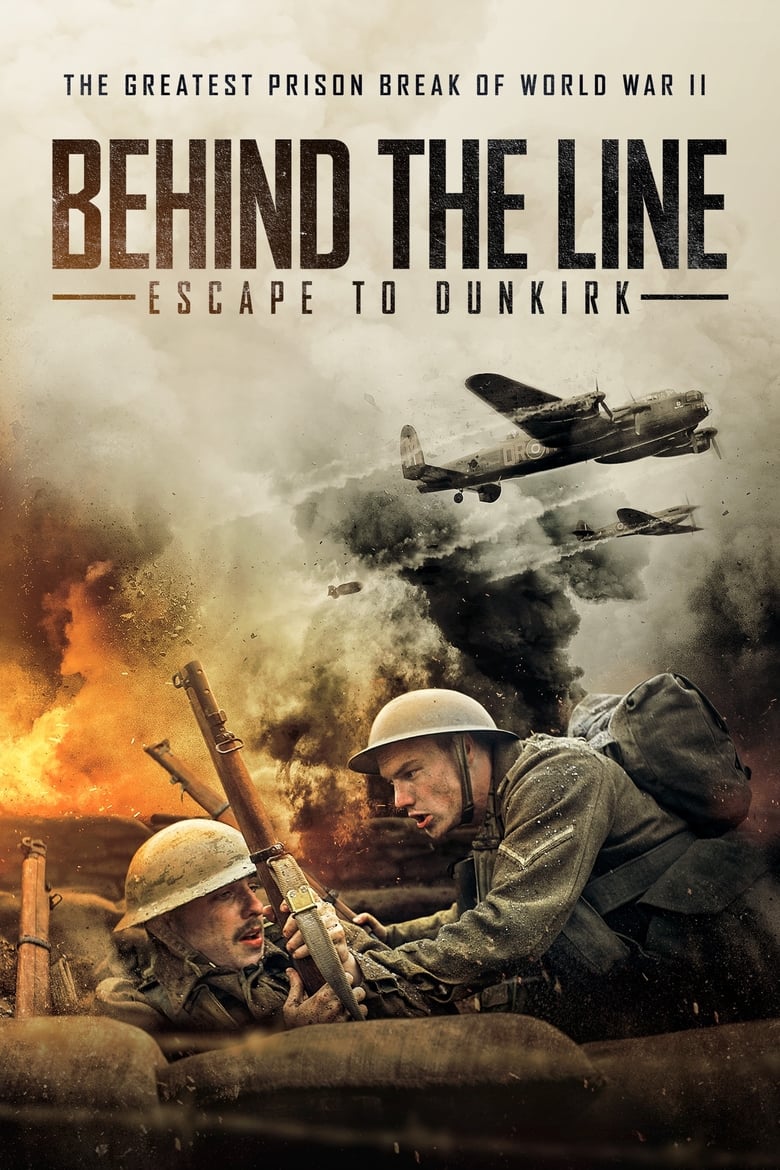
2020
Director
Ben Mole
Runtime
87 minutes
Average Rating
No ratings yetSynopsis
Occupied France, 1940. A Nazi Commander discovers one of his prisoners, Danny is a champion boxer. He forces him to fight for his company's entertainment. But the POWs realise they can use these contests, as cover for an audacious breakout, before they re sent to Germany, where escape will be almost impossible. Their fate and freedom may all come down to how long Danny can keep fighting.
Overall Score
Limited
Category Breakdown
LGBTQ+ Representation
The film lacks any visible LGBTQ+ characters or narratives addressing non-cisnormative identities. The story focuses entirely on the survival dynamics within a prisoner-of-war camp.
Gender Representation
The narrative relies on a traditional masculine framework centered on physical combat and military hierarchy. It prioritizes male-coded agency and archetypes without subverting established gender roles.
Racial & Ethnic Diversity
The setting in occupied France implies diverse European ethnic identities. However, there is no specific evidence regarding intersectional identities or race-bent casting beyond the historical context.
Religious & Cultural Diversity
The film critiques oppressive institutional power through its portrayal of the Nazi regime. It follows conventional historical war tropes rather than deconstructing Western morality or secular frameworks.
Disability Representation
There is no information available regarding the inclusion or portrayal of characters with physical, sensory, or neurodivergent disabilities.
Strengths
Areas for Improvement
AI Analysis
The film operates as a period-specific survival drama that prioritizes historical tension over intersectional representation. Its narrative architecture is built around the conflict between an authoritarian oppressor and a group of prisoners seeking liberation. While the plot offers a critique of systemic exploitation, it remains tethered to traditional masculine archetypes and conventional war storytelling. The focus is on physical resilience and tactical breakout maneuvers rather than social deconstruction. Ultimately, the work lacks the visible markers of diverse social hierarchies or inclusive character studies necessary to move beyond a standard historical framework.
2019
2020
1959

2005

2004
1989

2020
2014
2021
2017
1976
1972
No reviews yet. Be the first to share your thoughts on this movie!
Use the rating form above to leave a star rating and optional review.