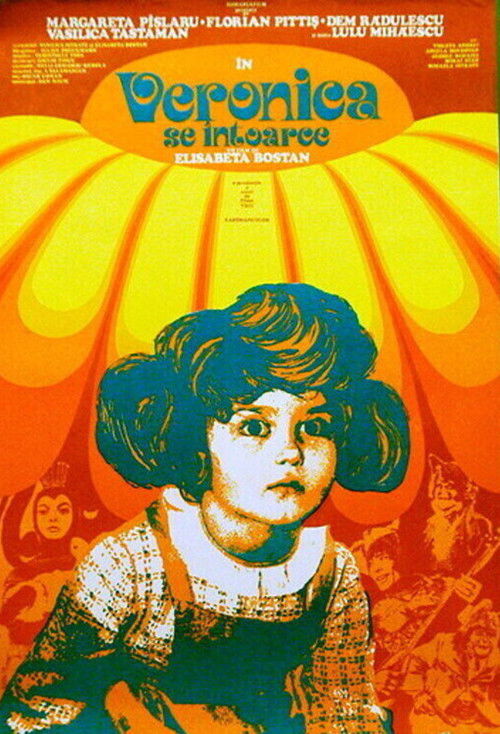
Veronica Comes Back
1973
No user ratings available yet
Diversity score: 3.2 out of 10
1971
GDirector
Reginald Mills
Runtime
90 minutes
Average Rating
No ratings yetSynopsis
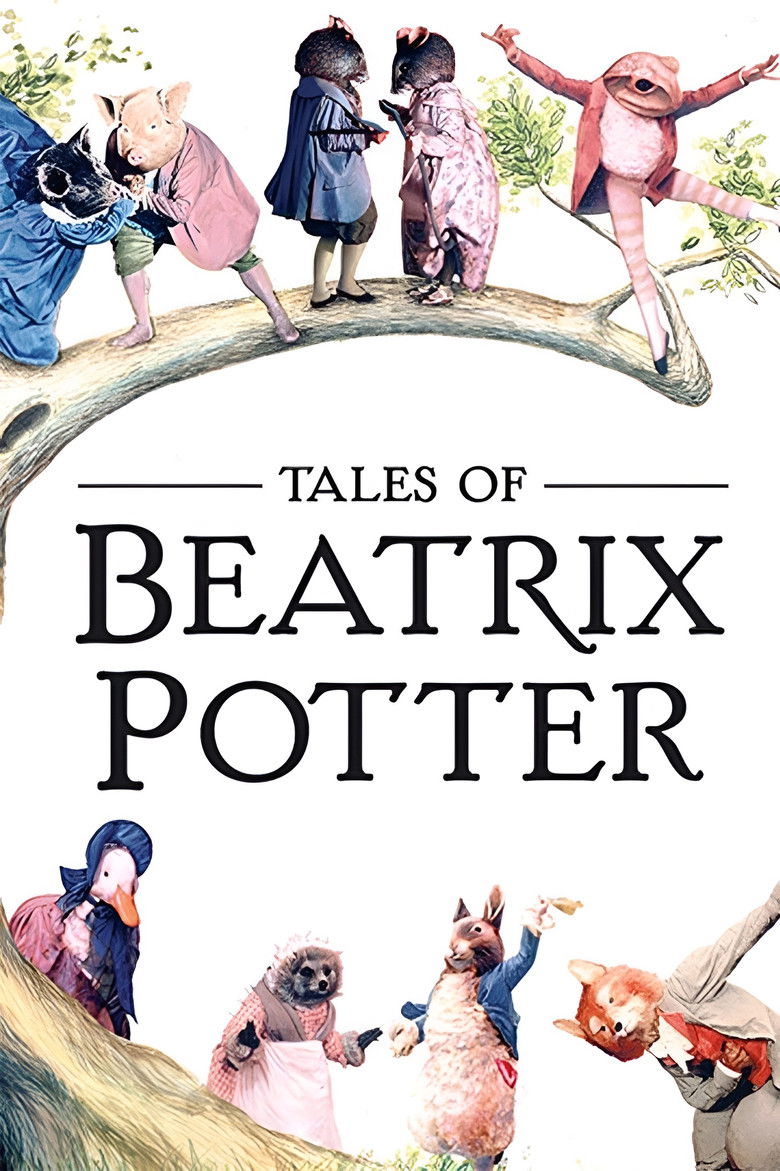
The Royal Ballet Company brings Squirrel Nutkin, Tom Thumb, Hunca Munca, Jemima Puddle-Duck, Jeremy Fisher, Pigling Bland, and Pigwig to the screen doing pirouettes and pas de deux in this filmed ballet production directed by Reginald Mills. The film more properly belongs, however, to choreographer Frederick Ashmore, composer John Lanchbery, and costume designer Rostislav Douboujinsky. This literal adaptation concerns the shy Beatrix Potter and how, when all of the toy animals in her room come to life, she emerges from her shell and begins to enjoy life. Sequences include a rowdy dance with Tom Thumb and Hunca Munca destroying a collection of plaster food, a midnight pas de deux between Pigling Bland and Pigwig, and a corps de ballet of dancing mice.
Overall Score
Minimal
Category Breakdown
LGBTQ+ Representation
The film focuses entirely on anthropomorphic animal fables. There is no evidence of non-cisnormative identities or same-sex intimacy within the narrative.
Gender Representation
Characters follow traditional fable archetypes. Female characters often embody domesticity or vulnerability, while male characters typically drive the adventurous plot points.
Racial & Ethnic Diversity
The all-animal cast reflects a culturally homogeneous English countryside. The narrative lacks intentional racial or ethnic blending, sticking to a traditionalist Western pastoralism.
Religious & Cultural Diversity
The work celebrates a romanticized, historical view of the English countryside. It emphasizes childhood innocence and moral stability through traditional Western values.
Disability Representation
There are no depictions of physical, sensory, or neurodivergent disabilities. Characters are defined by the idealized physical capabilities required for balletic performance.
Strengths
Areas for Improvement
AI Analysis
This production is a highly traditionalist celebration of classical ballet and historical literary archetypes. It prioritizes formalist aesthetics and the preservation of 19th-century pastoral traditions over social subversion. The narrative architecture reinforces conventional social expectations rather than disrupting them. By utilizing an all-animal cast within a specific English setting, the film remains culturally and socially homogeneous. Ultimately, the film functions as a didactic tool for moral stability and aesthetic beauty, lacking any engagement with contemporary intersectional frameworks or progressive social deconstruction.
1973
1965
1971
1961

1962
No reviews yet. Be the first to share your thoughts on this movie!
Use the rating form above to leave a star rating and optional review.