Európa messze van
1995
No user ratings available yet
Representation score: 5.5 out of 10
Representation Score
Fair
1996
Director
Ibolya Fekete
Runtime
97 minutes
Average Rating
No ratings yetNew Showbiz Analysis
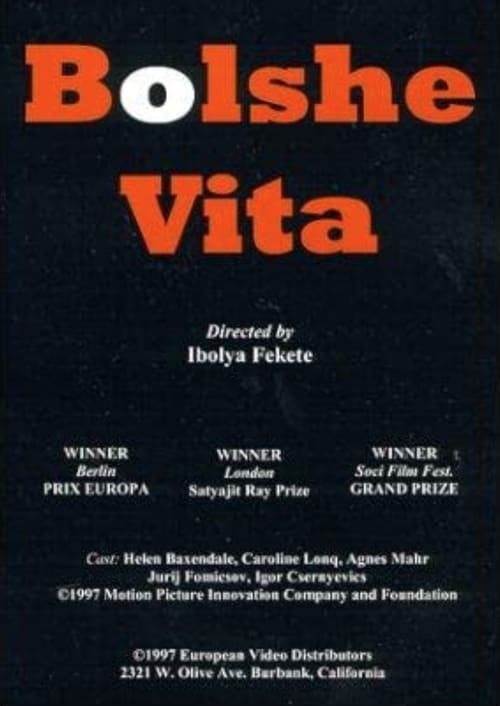
Bolse vita excels at using ethnic diversity to mirror the destabilization of borders. By bringing together Russians, Westerners, and Hungarians, the film avoids a singular national perspective. However, the film lacks specific details regarding LGBTQ+ intimacy or disability representation. The focus remains largely on the broader geopolitical and social friction of the era. Ultimately, the film is a study of social flux, prioritizing the complexities of a world in transition over static, traditionalist themes.
Category Breakdown
The film explores fluid identities within a transitional society. Although specific non-straight relationships are not detailed, the post-1989 setting allows for questioning traditional social roles.
The narrative highlights women's ability to drive the story as they navigate new economic and social freedoms in a post-socialist landscape.
The film disrupts a homogeneous national identity by focusing on interactions between Russians, Westerners, and Hungarians. This multi-ethnic cast reflects broader geopolitical shifts.
The setting critiques the stability of traditional institutions during rapid change. Characters navigate the moral vacuum left by collapsing state structures and the rise of new capitalist systems.
There is no specific evidence regarding the portrayal of physical or neurodivergent characters in this work.
Present on Screen
Limited or Absent
Official Synopsis
Russians, westerns and Hungarians live unique moments in post-89 Hungary.
1995
1994
2015
1964
1985
2001
1989
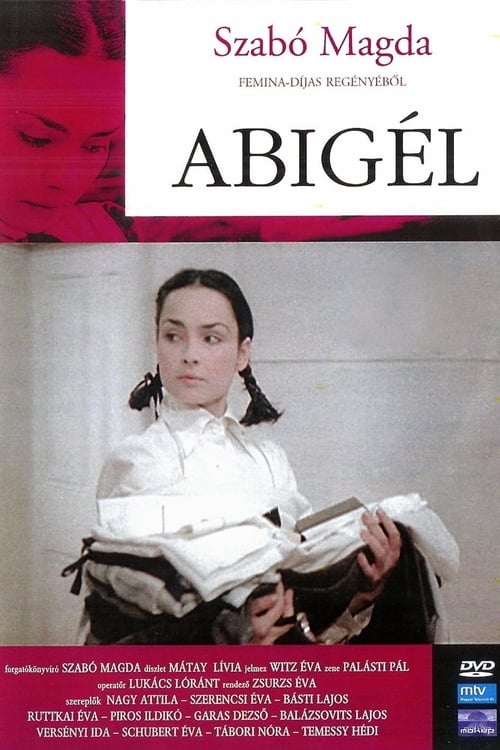
1978
No reviews yet. Be the first to share your thoughts on this movie!
Use the rating form above to leave a star rating and optional review.