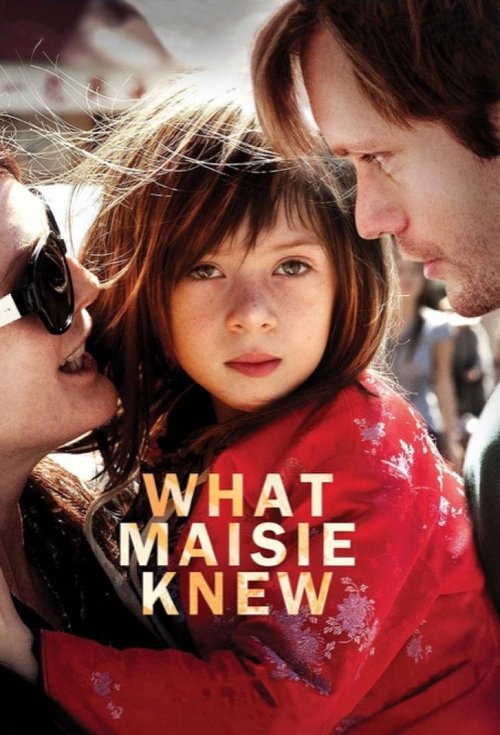
What Maisie Knew
2013
No user ratings available yet
Representation score: 6.6 out of 10

Representation Score
Fair
2015
PG-13Director
Mike Binder
Runtime
121 minutes
Average Rating
No ratings yetNew Showbiz Analysis
Black or White succeeds as a sociological study of racial friction by juxtaposing two neighboring families. The film moves beyond surface-level inclusion to explore the systemic complexities of racial identity and social etiquette. The film's primary strength lies in its refusal to rely on colorblind clichés. Instead, it uses the domestic sphere to examine the tension between active racial consciousness and the desire for a post-racial reality. However, it remains limited by its adherence to traditional social structures, lacking LGBTQ+ representation and relying on conventional gender dynamics.
Category Breakdown
The film follows a strict assumption that everyone is straight or cisgender, with no LGBTQ+ characters or narratives to challenge traditional views.
Female characters play significant roles in driving the story, but they often fit into traditional maternal and domestic roles.
The narrative explores the nuances of the Black experience and white racial awareness without relying on including someone from a minority group without giving them real depth. It centers the conflict around interracial marriage and identity.
The story challenges the idea of a post-racial society by examining social norms and identity-based power dynamics. It critiques the superficiality of certain social institutions.
There are no prominent depictions of visible or invisible disabilities that serve as central plot drivers or character arcs.
Present on Screen
Limited or Absent
Official Synopsis
A grieving widower is drawn into a custody battle over his granddaughter, whom he helped raise her entire life.
2013

2009

2007

2018

2010

2007

2017

2014
No reviews yet. Be the first to share your thoughts on this movie!
Use the rating form above to leave a star rating and optional review.