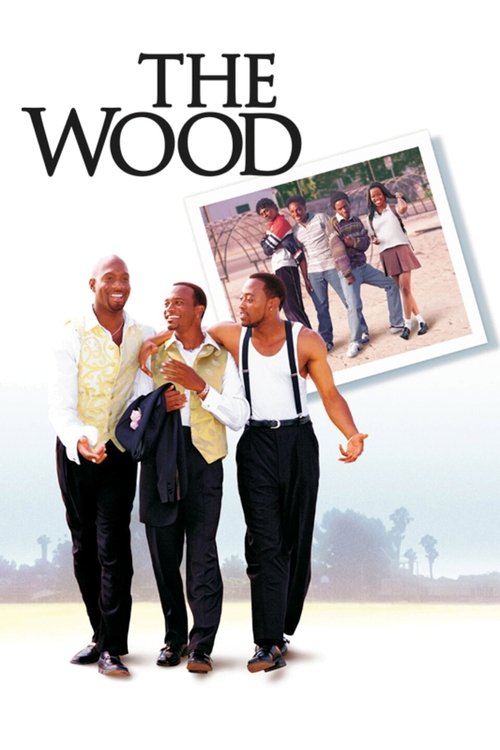
The Wood
1999
No user ratings available yet
Diversity score: 7.7 out of 10

1994
RDirector
Darnell Martin
Runtime
104 minutes
Average Rating
No ratings yetSynopsis
After her husband is arrested for looting, Lisette struggles for independence while dealing with her transgender sibling, her critical mother-in-law and assorted neighborhood eccentrics.
Overall Score
Good
Category Breakdown
LGBTQ+ Representation
The film integrates a transgender sibling directly into the protagonist's domestic life. This inclusion avoids treating gender non-conformity as a peripheral curiosity, making it a constituent part of the family's reality.
Gender Representation
The story centers the emotional autonomy of a young Black woman navigating power imbalances. It explores her pursuit of independence rather than defining her solely through her relationships with men.
Racial & Ethnic Diversity
Featuring an all-Black cast, the film provides an authentic depiction of Harlem. It avoids the white gaze by focusing on the specific complexities of working-class Black life and community.
Religious & Cultural Diversity
The narrative prioritizes subjective emotional truth over rigid social or religious dogma. It frames the protagonist's choices through personal experience, often presenting traditional institutions as sources of friction.
Disability Representation
There is no visible or invisible disability representation present in the film's narrative or character descriptions.
Strengths
Areas for Improvement
AI Analysis
Darnell Martin’s debut is a sophisticated piece of independent cinema that prioritizes intersectional storytelling. By centering the Black female gaze, the film disrupts the monolithic perspectives common in mid-90s mainstream movies. The film's greatest strength is its racial authenticity and its refusal to rely on external stereotypes. It presents a deeply specific urban environment where the internal logic of the community takes precedence. While the film excels in racial and gendered agency, it remains somewhat anchored in heteronormative romantic tensions. However, its inclusion of transgender identity within the family unit remains a progressive touch for its era.
1999
1993

1991

1995
1994
1995

2000

1991

2009

1997

2001

2000
No reviews yet. Be the first to share your thoughts on this movie!
Use the rating form above to leave a star rating and optional review.