Spring Fling!
1995
No user ratings available yet
Diversity score: 3.2 out of 10
1999
Director
Marcus Mortimer
Runtime
75 minutes
Average Rating
No ratings yetSynopsis
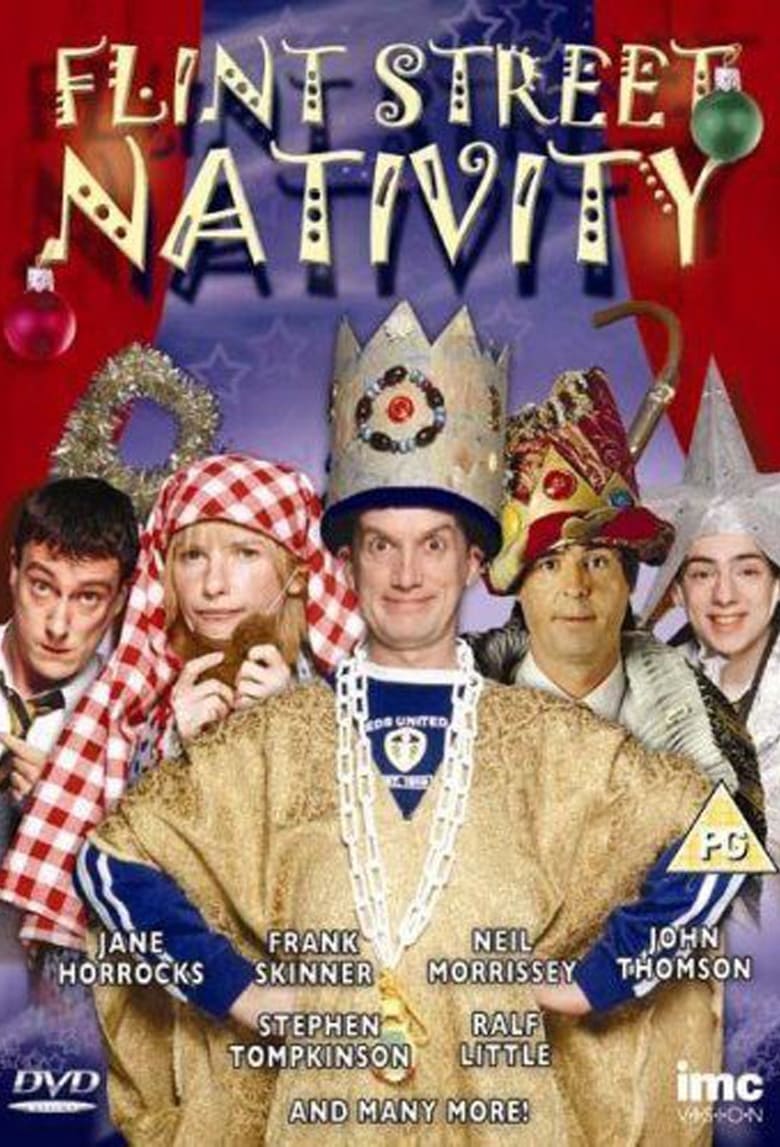
With angels crying in the toilets all because of a jealous Angel Gabriel, it could only be the eagerly awaited performance of the Primary school nativity play - this time with a twist! The UK's finest comedy actors take the leading roles as the eight year old performers. Through the inevitable mishaps, misunderstandings, young egos, fears of failure and fallings out, the children's characters evolve into mirror images of thier parents, the nativity play's audience. You'll be drawn into the amusing and enchanting worlds and minds of young children and reminisce about your own childhood performances!
Overall Score
Limited
Category Breakdown
LGBTQ+ Representation
The film lacks evidence of non-cisnormative identities or narratives addressing heteronormativity. It centers on a traditional nativity play framework that follows conventional social structures.
Gender Representation
The narrative relies on children mirroring their parents, which often reinforces traditional gendered behaviors. There is no clear evidence of a deliberate disruption of gender hierarchies.
Racial & Ethnic Diversity
The setting suggests a localized, culturally specific UK environment. The focus on nostalgia often leans toward a homogeneous depiction of community without documented high-agency characters of color.
Religious & Cultural Diversity
The story engages with Western religious frameworks through a comedic, secularly skeptical lens. It focuses on individual egos and misunderstandings rather than didactic Christian morality.
Disability Representation
There is no mention of characters with visible or invisible disabilities. No data is available regarding the integration of neurodivergence or physical disability.
Strengths
Areas for Improvement
AI Analysis
The film functions as a character-driven comedy that prioritizes nostalgic social observation over progressive narrative disruption. It uses the absurdity of childhood to reflect adult social complexities without challenging systemic hierarchies. The production operates within established cultural norms, focusing on generational cycles and the performative nature of social roles. This approach favors observational humor over identity politics or systemic deconstruction. Ultimately, the work serves as a satirical mirror of domestic anxieties rather than a vehicle for diverse representation or social critique.
1995

2011
2009
1984
2017

2020
2020

1988
2017

2010

2014

2018
No reviews yet. Be the first to share your thoughts on this movie!
Use the rating form above to leave a star rating and optional review.