Volltreffer
2016
No user ratings available yet
Representation score: 4.3 out of 10
Representation Score
Limited
1995
TV-PGDirector
Chuck Bowman
Average Rating
No ratings yetNew Showbiz Analysis
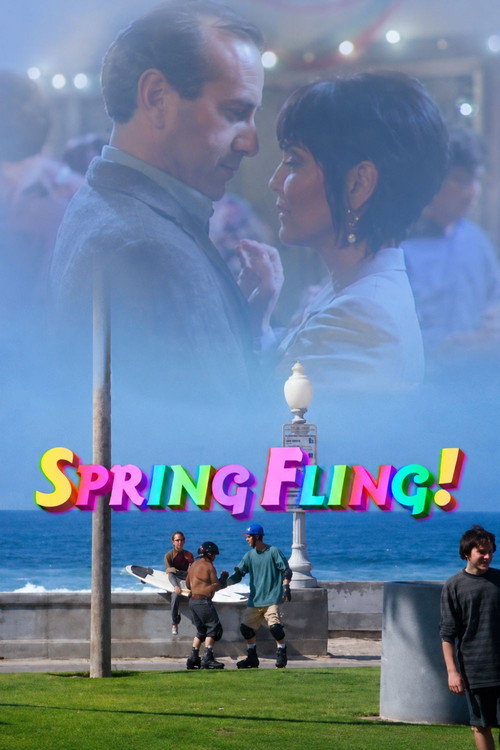
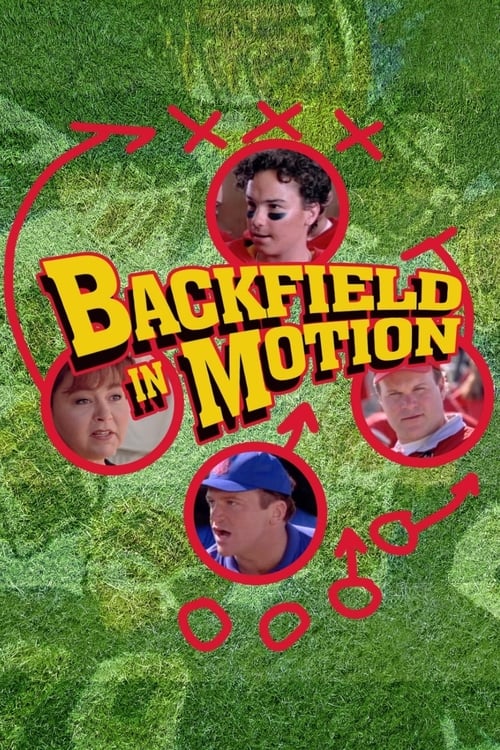
Spring Fling! operates within traditional storytelling frameworks common in mid-90s television. It does not aim to disrupt established social or cultural hierarchies. The film relies on familiar comedic clichés and demographic norms prevalent in mid-90s TV movies. This leads to a narrative that emphasizes standard social structures over progressive critique. Overall, the production reflects the mainstream cinema of the time, favoring established archetypes and straight-centered standards over experimental or multi-layered narratives.
Category Breakdown
The film does not include any representation of LGBTQ+ identities or same-sex relationships, adhering to the straight-centered standards typical of mid-90s television.
The show likely relies on traditional gender roles common in 1990s TV comedies. Women do not play significant roles in driving the plot or challenging traditional hierarchies.
The film follows the racial demographics typical of 1990s domestic television. It lacks characters of color who have substantial influence or roles that challenge Anglo-centric norms.
The story upholds traditional Western social structures like the nuclear family. It does not question these structures through a lens of systemic oppression.
The film does not include any characters with visible or invisible disabilities.
Present on Screen
Limited or Absent
2016
2005
2008
2001
1987

2020

2001
1991
No reviews yet. Be the first to share your thoughts on this movie!
Use the rating form above to leave a star rating and optional review.