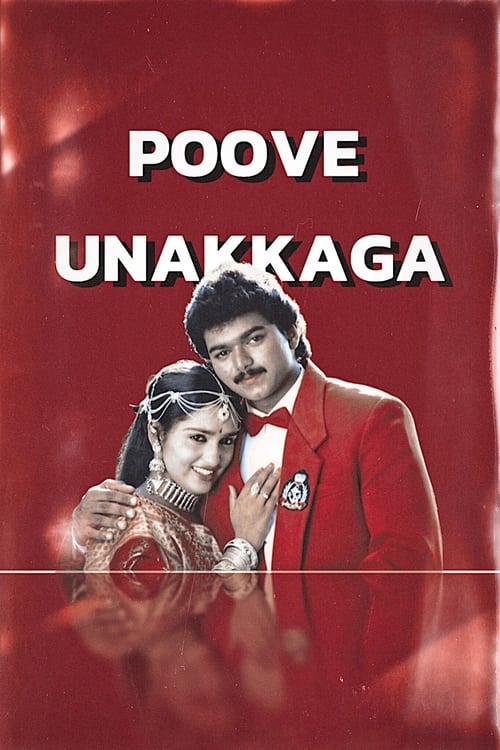
Poove Unakkaga
1996
No user ratings available yet
Diversity score: 2.6 out of 10
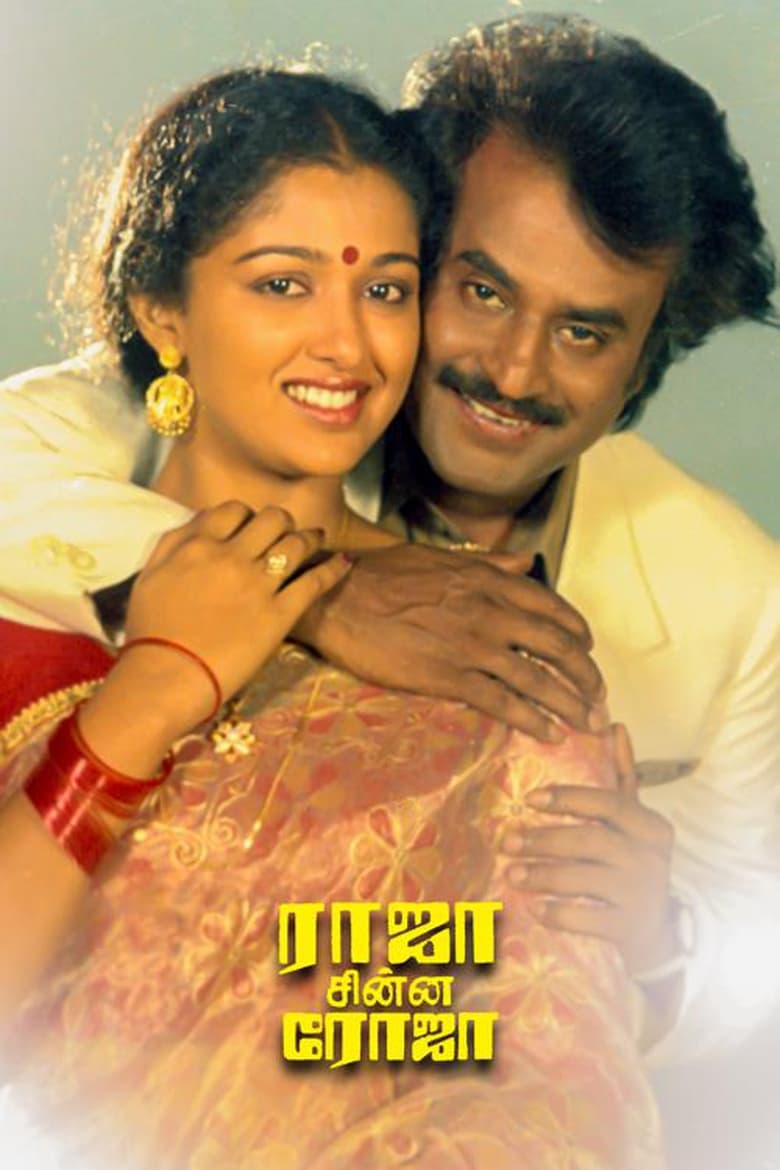
1989
Director
S. P. Muthuraman
Runtime
180 minutes
Average Rating
No ratings yetSynopsis
Raja, an aspiring actor from a village, relocates to a big city to follow his dream. There, he meets his childhood friend who promises him an acting job but later learns about his evil intentions.
Overall Score
Limited
Category Breakdown
LGBTQ+ Representation
The film follows a conventional romantic structure typical of 1980s commercial cinema. It lacks any non-cisnormative gender identities or narratives that challenge heteronormativity.
Gender Representation
The narrative is driven by a central male protagonist who acts as the primary agent of justice. Female characters largely occupy supportive or romantic roles within traditional spheres.
Racial & Ethnic Diversity
The cast is culturally homogeneous, reflecting the linguistic and regional specificity of its Tamil audience. It maintains cultural authenticity by centering South Indian identities.
Religious & Cultural Diversity
The story emphasizes traditional values like friendship and personal honor. It reinforces a moral clarity common to the masala genre rather than critiquing systemic structures.
Disability Representation
There is no significant evidence regarding the portrayal of visible or invisible disabilities. No characters appear to be utilized as plot devices or subjects of mockery.
Strengths
Areas for Improvement
AI Analysis
Raja Chinna Roja serves as a quintessential example of late-80s commercial Tamil cinema, prioritizing mass appeal and established cultural archetypes. The film focuses on a traditional hero's journey, centering agency within a singular masculine figure. While the film achieves high cultural authenticity for its regional setting, it does not seek to disrupt conventional social hierarchies. The narrative architecture reinforces traditional gender roles and heteronormative romantic structures rather than subverting them. Ultimately, the film functions as a celebration of traditional heroism. It prioritizes personal justice and moral clarity over the deconstruction of systemic power dynamics or intersectional representation.
1996
2015

2025
1988
1988
1987
1986
1982
No reviews yet. Be the first to share your thoughts on this movie!
Use the rating form above to leave a star rating and optional review.