
Raja Rani
2013
No user ratings available yet
Diversity score: 3.7 out of 10
1996
Director
Vikraman
Runtime
144 minutes
Average Rating
No ratings yetSynopsis
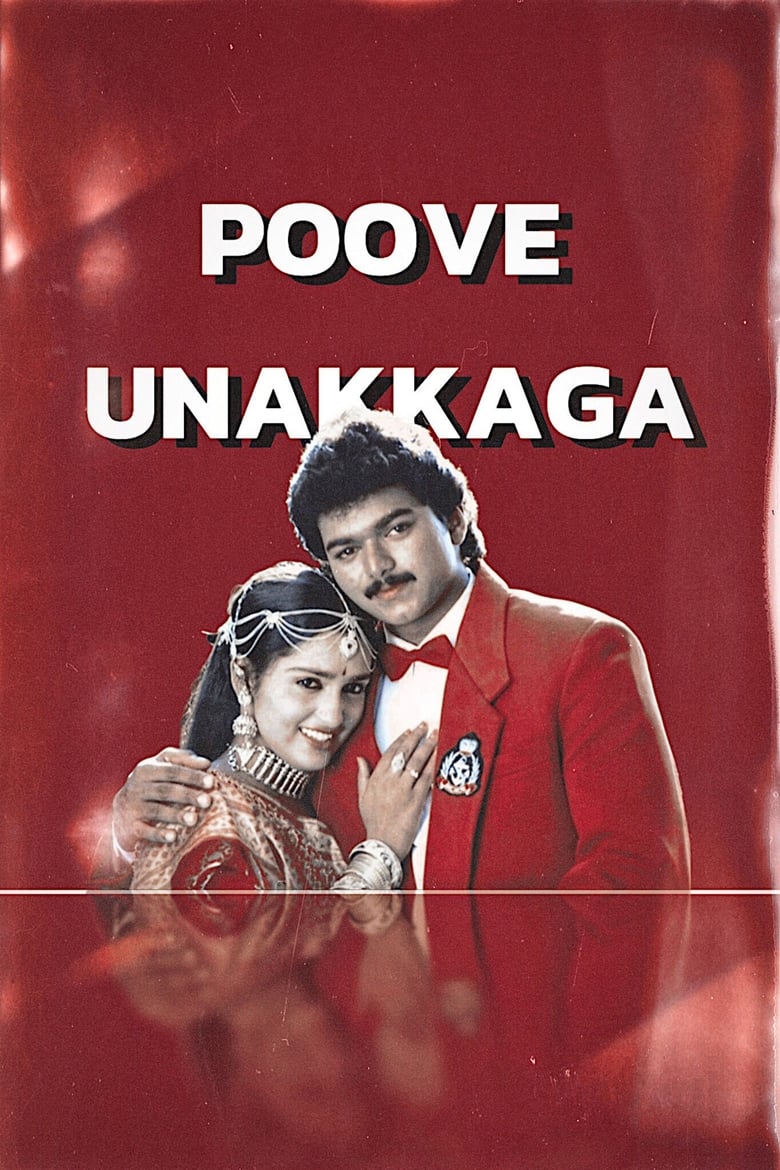
Raja learns that the girl he loves is in love with another man. When he comes to know about the long-standing dispute between both their families, he goes to their village to unite them.
Overall Score
Limited
Category Breakdown
LGBTQ+ Representation
The film operates within a strictly heteronormative framework. There are no depictions of non-cisnormative identities or same-sex intimacy.
Gender Representation
Female characters focus on emotional labor and domestic harmony. The male protagonist reinforces traditional masculine archetypes as a protector and unifier.
Racial & Ethnic Diversity
The cast and setting are ethnically homogeneous. It provides culturally authentic representation for a South Indian Tamil-speaking audience.
Religious & Cultural Diversity
The narrative reinforces traditional values regarding family sanctity and respect for elders. It promotes a singular moral framework centered on duty.
Disability Representation
There are no visible or invisible disabilities portrayed as central to the character arcs or used as plot devices.
Strengths
Areas for Improvement
AI Analysis
Poove Unakkaga is a quintessential 1990s Tamil melodrama that prioritizes the preservation of traditional social structures. The story focuses on familial reconciliation and the restoration of the status quo through emotional mediation. The film functions as a study of communal harmony, emphasizing the stability of the family unit and adherence to established hierarchies. It does not seek to challenge systemic power dynamics or deconstruct patriarchal norms. Ultimately, the work is a product of its era, favoring cultural continuity and conventional social morality over the subversive or intersectional storytelling found in modern cinema.
2013

2012

2015
2015
2003
No reviews yet. Be the first to share your thoughts on this movie!
Use the rating form above to leave a star rating and optional review.