
Loukyam
2014
No user ratings available yet
Representation score: 1.4 out of 10
Representation Score
Limited
1982
Director
S. P. Muthuraman
Runtime
137 minutes
Average Rating
No ratings yetNew Showbiz Analysis
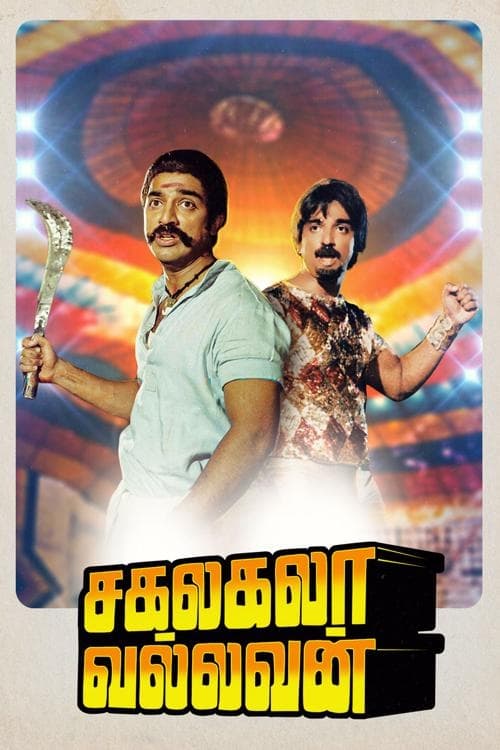
Sagalakala Vallavan is a traditional 1982 action-comedy that emphasizes hero-centric storytelling over social deconstruction. The film follows a standard protagonist-versus-antagonist structure, focusing on a personal vendetta against a landlord. While the film touches on class-based conflict, it does so through the lens of individual moral retribution. It lacks the multi-layered representation found in modern cinema, instead adhering to the genre conventions of its time. Ultimately, the film serves as a foundational piece of regional commercial cinema that reinforces traditional social and gender hierarchies.
Category Breakdown
The film aligns with the assumption that everyone is straight or cisgender, and there are no characters or stories that challenge traditional norms.
The story focuses on a male protagonist seeking revenge. Female characters seem to play traditional roles as romantic interests or domestic figures.
The cast is made up of actors from similar ethnic backgrounds, reflecting the film's regional Indian setting and demographic expectations.
The plot critiques class-based oppression through a struggle against a landlord. However, it frames justice as individual vengeance rather than a broader social critique.
The film does not include any characters with visible or invisible disabilities.
Present on Screen
Limited or Absent
Official Synopsis
A young agriculturalist goes to extremes to attain revenge against his devious landlord and his family.
2014

2017

2011

2015
1984

2016
1980

2016
No reviews yet. Be the first to share your thoughts on this movie!
Use the rating form above to leave a star rating and optional review.