
Hornet's Nest
2012
No user ratings available yet
Diversity score: 6.2 out of 10
2000
Director
Charles Robert Carner
Runtime
105 minutes
Average Rating
No ratings yetSynopsis
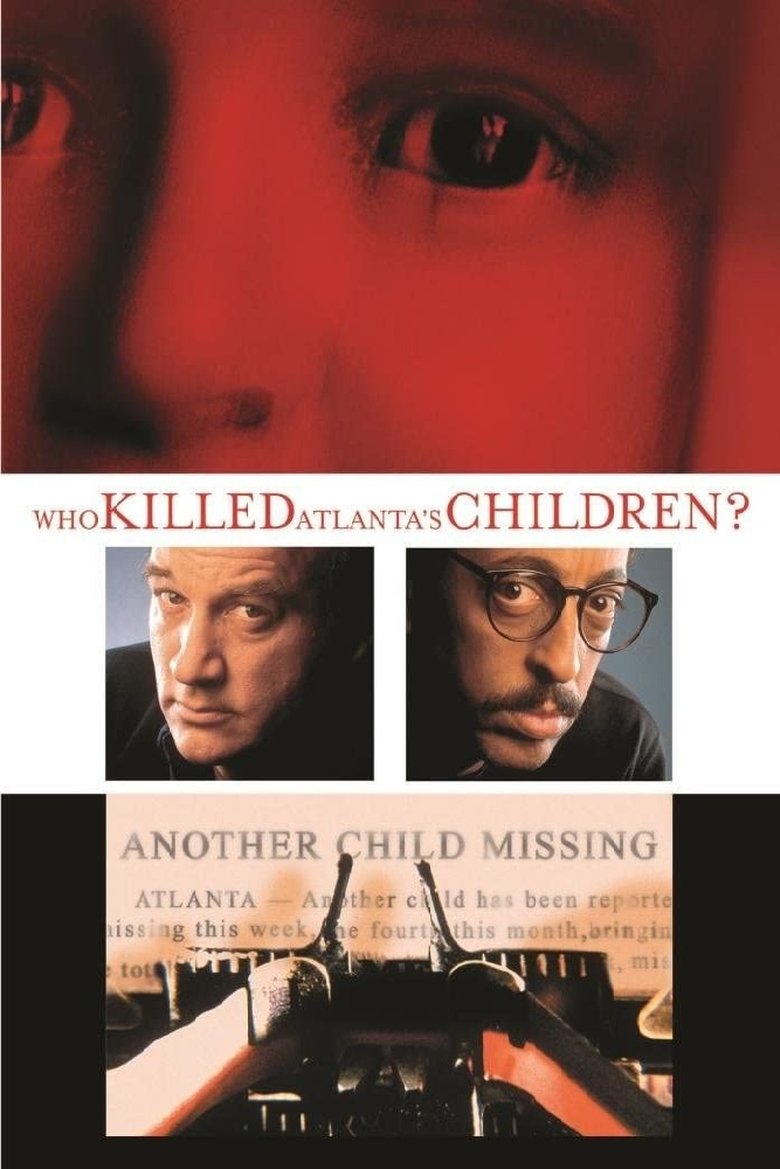
From 1979 to 1981, 29 African-American males, mostly children, were either missing or found murdered in metro Atlanta. The cases plagued the city until 1982, when Wayne Wiiliams was convicted of the murders of two adult men. Authorities then considered the other cases closed. Some of the parents of the slain children were critical of the way the cases were handled and believed there was some sort of cover up. Nearly four years after the conviction of Williams, "Spin" magazine editor Ron Larson and reporter Pat Laughlin come to Atlanta in search of the truth.
Overall Score
Good
Category Breakdown
LGBTQ+ Representation
The film lacks any discernible LGBTQ+ characters or narratives. The story remains strictly focused on the historical criminal investigation and its racialized impact.
Gender Representation
The narrative centers on male-dominated spheres like law enforcement and journalism. While mothers are given agency through their grief, the film does not subvert traditional gender hierarchies.
Racial & Ethnic Diversity
The film excels by placing Black identity and the vulnerabilities of Black youth at the core. It highlights the disparity between community needs and the state's inadequate response.
Religious & Cultural Diversity
The story engages with themes of institutional distrust and systemic negligence. It documents the community's belief in a cover-up, challenging the perceived infallibility of municipal authority.
Disability Representation
There is no significant focus on visible or invisible disabilities. The narrative is driven by socio-political and racial implications rather than individual disability arcs.
Strengths
Areas for Improvement
AI Analysis
Who Killed Atlanta's Children? is a journalistic examination of systemic failure and communal trauma. It avoids typical true-crime tropes by prioritizing the lived experiences of victims' families over the perpetrator's psyche. The film's strength lies in its commitment to centering the African-American experience. It uses historical context to critique the uneven application of justice and the inadequacy of the state's response to the murders. However, the production is limited by its narrow focus. It lacks engagement with LGBTQ+ themes and maintains a traditional, male-centric view of investigative and legal institutions.
2012

2023

2003

2021
1996

1984

2011

1975

1976

1996

1986
1998
No reviews yet. Be the first to share your thoughts on this movie!
Use the rating form above to leave a star rating and optional review.