
Dead and Alive: The Race for Gus Farace
1991
No user ratings available yet
Diversity score: 2.3 out of 10
1976
NRDirector
Buzz Kulik
Runtime
148 minutes
Average Rating
No ratings yetSynopsis
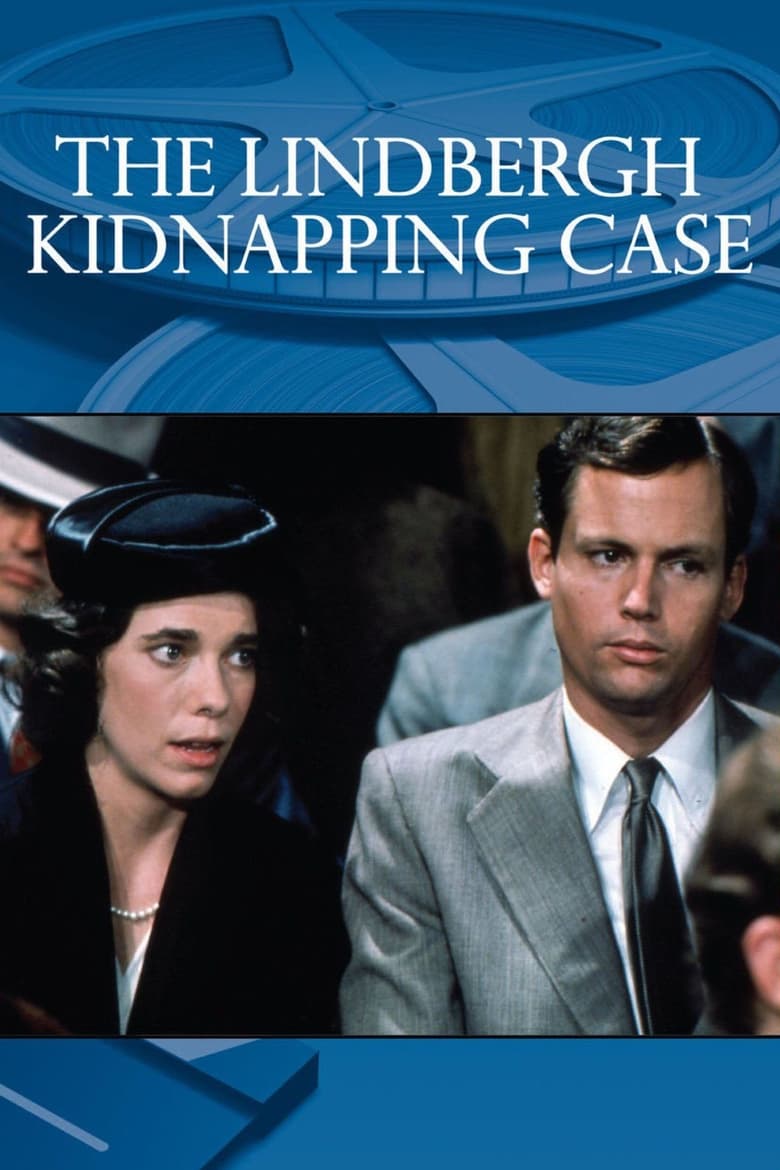
Fact-based story of the kidnapping of Charles Lindbergh Jr., son and namesake of the famed pilot, and ensuing trial of accused and convicted killer, Bruno Hauptmann.
Overall Score
Limited
Category Breakdown
LGBTQ+ Representation
The film focuses exclusively on the Lindbergh family and the legal proceedings. There are no depictions of non-cisnormative identities or narratives addressing heteronormativity.
Gender Representation
The narrative reinforces patriarchal hierarchies by centering on Charles Lindbergh and a male-dominated legal system. Women are relegated to conventional domestic roles without driving the plot.
Racial & Ethnic Diversity
The story centers on a prominent white American family and a German-American defendant. It reflects the demographic homogeneity of the era's social elite.
Religious & Cultural Diversity
The film dramatizes Western judicial institutions and the rule of law. It avoids overt critiques of religion or capitalism, focusing instead on historical accountability.
Disability Representation
There is no evidence of characters with visible or invisible disabilities being used as central plot devices or receiving meaningful representation.
Strengths
Areas for Improvement
AI Analysis
This historical dramatization prioritizes period-accurate reconstruction over social complexity. By adhering to the journalistic and legal frameworks of the 1930s and 1970s, the film maintains a narrow focus on the specific actors involved in the Lindbergh case. The production reinforces existing social hierarchies rather than challenging them. The narrative architecture is built around traditional authority figures and a homogeneous demographic, resulting in a lack of intersectional depth. Ultimately, the film serves as a procedural look at a high-profile crime, offering a traditional lens that mirrors the social standards of its production era.
1991

2012
1996
1991

1975

2002
1986
1991
2003
2011

2010

1985
No reviews yet. Be the first to share your thoughts on this movie!
Use the rating form above to leave a star rating and optional review.