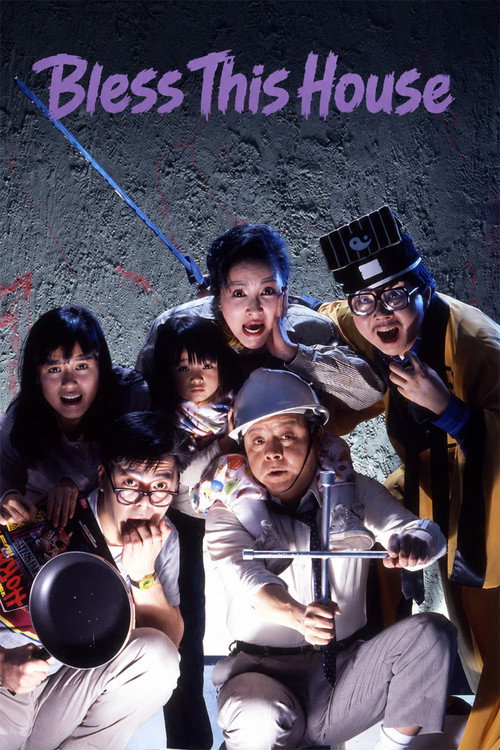
Bless This House
1988
No user ratings available yet
Representation score: 5.0 out of 10
Representation Score
Limited
2004
Director
Kim Sang-jin
Runtime
123 minutes
Average Rating
No ratings yetNew Showbiz Analysis
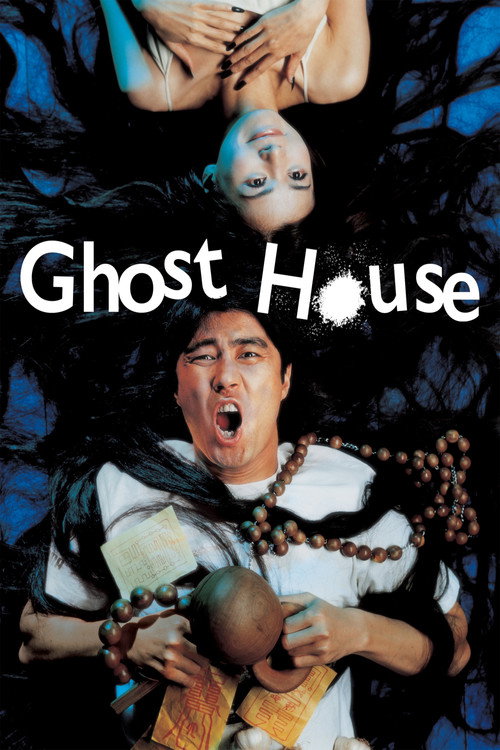
Ghost House blends comedy and horror while adhering closely to traditional South Korean cinematic norms. The narrative focuses on individual achievement and the fulfillment of familial legacy, particularly through the protagonist's acquisition of a house to honor his late father. While the film offers a culturally authentic representation of South Korean domestic life, it lacks complexity in addressing diverse identities. The story centers on conventional social structures and domestic values without challenging them or exploring more varied perspectives. Ultimately, Ghost House operates as a localized genre piece that prioritizes traditional clichés over progressive representation or systemic critique.
Category Breakdown
The film does not include visible representation of LGBTQ+ identities. The story revolves around a single protagonist's journey related to property and family legacy.
The story centers on a male protagonist named Pil-gi, who pursues his deceased father's wishes. The narrative follows a conventional structure driven by male-oriented goals.
As a South Korean production, the cast is primarily Korean. This reflects the domestic cultural context without challenging traditional casting norms.
The premise is grounded in traditional values concerning family duty and property acquisition. It aligns with conventional views of stability and fulfilling a father's final wish.
There are no characters with visible or invisible disabilities in the film. No such characters appear to serve as narrative devices.
Present on Screen
Limited or Absent
Official Synopsis
The day that Pil-gi waited for so many years has finally come: hes getting his own house, the last wish of his deceased father. And what a perfect house it is! Big, beautiful, isolated, next to the ocean and at that price, Pil-gi couldn't have found a better place.
1988
1998

2024
2010

2019

2021
2006
2018
No reviews yet. Be the first to share your thoughts on this movie!
Use the rating form above to leave a star rating and optional review.