
Devil's Paradise
1987
No user ratings available yet
Representation score: 2.5 out of 10
Representation Score
Limited
1986
Director
Tor M. Tørstad
Runtime
113 minutes
Average Rating
No ratings yetNew Showbiz Analysis
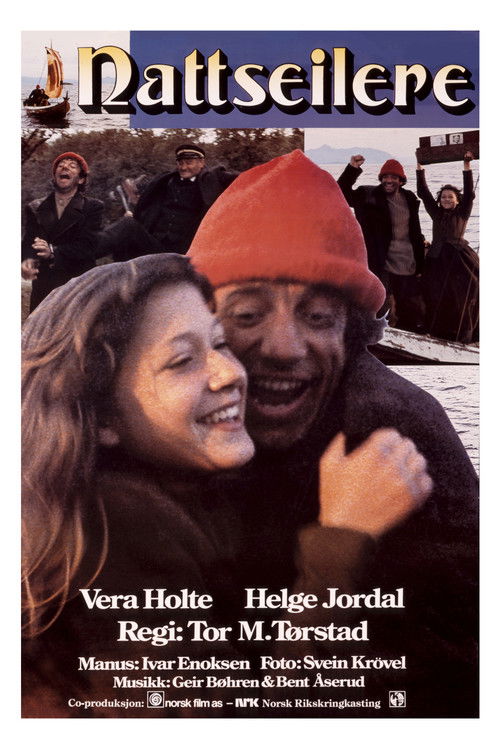
Nattseilere is a period drama that uses the archetype of the mysterious outsider to drive its narrative. It successfully provides a female lead with a sense of ability to act through her pursuit of identity, transforming her from a passive survivor to an active seeker. However, the film is limited by its 19th-century setting, which restricts its demographic breadth and depth. The social landscape is largely homogeneous, and there is no representation of LGBTQ+ identities or diverse racial backgrounds. While the film touches on the conflict between underrepresented individuals and institutional authority, it remains a traditional historical piece rather than a modern deconstruction of social hierarchies.
Category Breakdown
The film does not include any characters with LGBTQ+ identities or queer narratives. The story focuses on the protagonist's journey in a traditional coastal community.
The narrative centers on a female protagonist who gains strength and ability to act through her quest for self-discovery. However, the social structure adheres to traditional 19th-century gender roles.
Set in a 1877 Norwegian coastal community, the film depicts a homogeneous population. There is no indication of racial diversity or blending.
The story examines the tension between individuals and institutions such as the Church and Law. The protagonist's journey highlights a preference for personal truth over institutional dogma.
The protagonist's amnesia serves as a cognitive impairment that drives the plot. This condition primarily functions as a device to establish her status as an outsider.
Present on Screen
Limited or Absent
Official Synopsis
Outer Senja in 1877. A young girl is found apparently lifeless among flotsam and seaweed. The storm has washed her ashore. Miraculously, they revive her, but she has lost her memory, and no one knows who she is or where she comes from. They call her "Båremor" or "The Girl from the Sea." A fisherman and his wife take care of her, and it gradually becomes clear that she has extraordinary abilities. Among other things, she plays the organ beautifully. The girl feels like a stranger among the weather-beaten coastal people, and she is driven to track down her original home. During her escape, she hides in the boat of the wandering vagabond Borr, a notorious and wanted daredevil. On the run from the sheriff and the priest, they try to find their way back to her birthplace.
1987

2016

1977
2010

1986
2003

1965

1994
No reviews yet. Be the first to share your thoughts on this movie!
Use the rating form above to leave a star rating and optional review.