A Rape in a Small Town: The Florence Holway Story
2005
No user ratings available yet
Representation score: 5.2 out of 10
Representation Score
Good
2019
Director
Laetitia Ohnona
Runtime
51 minutes
Average Rating
No ratings yetNew Showbiz Analysis
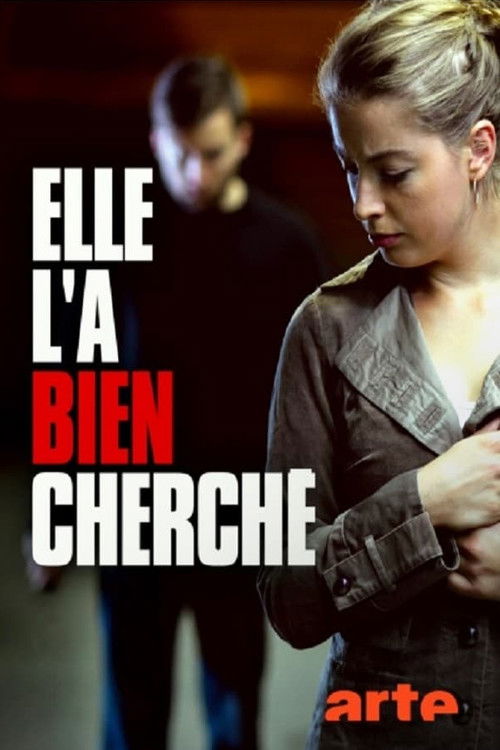
Laetitia Ohnona’s documentary serves as a powerful critique of the French judicial apparatus. By centering the lived experiences of four survivors, the film deconstructs victim-blaming rhetoric and challenges the perceived neutrality of state institutions. The work shifts the focus from traditional crime procedurals to the systemic failures of the state. It highlights the immense difficulty survivors face when navigating overcrowded courts and entrenched social prejudices. While the film provides a deep look at gendered power dynamics and institutional inertia, specific data regarding racial and LGBTQ+ identities is limited. This prevents a more comprehensive assessment of diverse representation.
Category Breakdown
The film focuses on the systemic handling of sexual assault but does not provide specific information about the sexual orientation of the subjects or include non-straight identities.
The narrative emphasizes the role of women within a patriarchal legal system. It highlights the tension between women's lived experiences and the structures of the judiciary.
The documentary examines systemic issues within French courts. However, the specific racial makeup of the four victims is not explicitly detailed.
The film critiques Western legal and state institutions as obstacles to progress. It portrays the current social order as an oppressive force.
The film addresses the psychological trauma associated with sexual assault. It remains unclear if the subjects have specific physical or neurodivergent disabilities.
Present on Screen
Limited or Absent
Official Synopsis
Of the 250,000 victims of rape or attempted rape in France every year, only 16,000 ever make it to a police station. Between overcrowded courts and tenacious prejudice, this documentary shows the painful journey of four rape victims to make their voices heard. An unvarnished look at an archaic process.
2005
2015
2018
2016
2016
2012
2011
2005
No reviews yet. Be the first to share your thoughts on this movie!
Use the rating form above to leave a star rating and optional review.