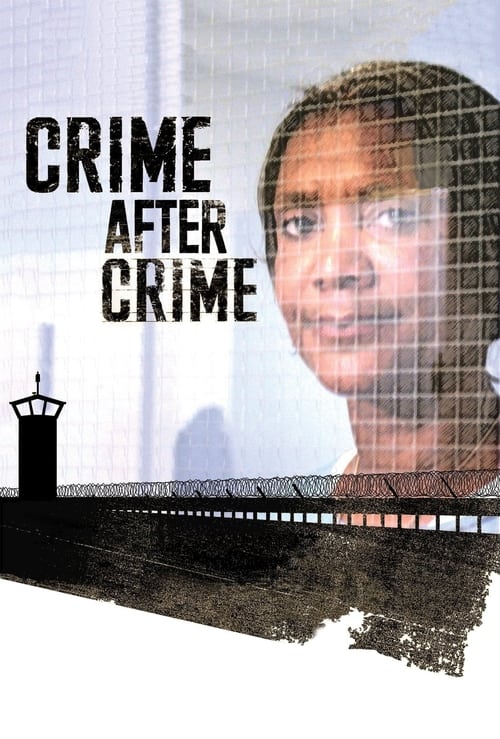
Crime After Crime
2011
No user ratings available yet
Representation score: 9.1 out of 10

Representation Score
Fair
2005
TV-14Director
Jeffrey Chapman
Runtime
72 minutes
Average Rating
No ratings yetNew Showbiz Analysis
The documentary succeeds by shifting a story of victimization into a study of individual ability to act. By focusing on Florence Holway’s twelve-year pursuit of justice, the film highlights the inadequacy of systemic structures. While the film offers a powerful critique of institutional rigidity and patriarchal legal hierarchies, it lacks broad representation of diverse backgrounds. The narrative is deeply tied to a specific, likely homogeneous, rural demographic. Ultimately, the work provides progressive value through its subversion of traditional gender roles, even as it remains limited in its scope regarding racial and LGBTQ+ diversity.
Category Breakdown
The film lacks any LGBTQ+ characters or narratives. The story focuses exclusively on age, gendered violence, and the legal system.
The documentary gives significant control to its female protagonist, Florence Holway. She challenges a male-dominated legal hierarchy and patriarchal structures.
Set in rural New Hampshire, the film focuses on a homogeneous demographic. There is little evidence of racial or ethnic diversity within the narrative.
The film critiques traditional Western judicial institutions. It frames the legal system as flawed and unable to provide fair justice to its citizens.
The narrative addresses the vulnerability of elderly individuals and the psychological impact of trauma. However, it does not focus on specific physical or neurodivergent disabilities.
Present on Screen
Limited or Absent
Official Synopsis
On Easter Eve, 1991, the normalcy of 76-year-old Florence Holway's rural life came to a shocking, abrupt end when a 26-year-old intruder broke in to her home and brutally raped her. The horrifying attack marked the beginning of the New Hampshire artist and grandmother's 12-year struggle to bring her rapist to justice--and bring change to a flawed legal system.
2011

2020
2016

2012

2019
2012

2015
2015
No reviews yet. Be the first to share your thoughts on this movie!
Use the rating form above to leave a star rating and optional review.