The Caretaker
1964
No user ratings available yet
Representation score: 3.3 out of 10
Representation Score
Limited
1970
RDirector
J. Lee Thompson
Runtime
107 minutes
Average Rating
No ratings yetNew Showbiz Analysis
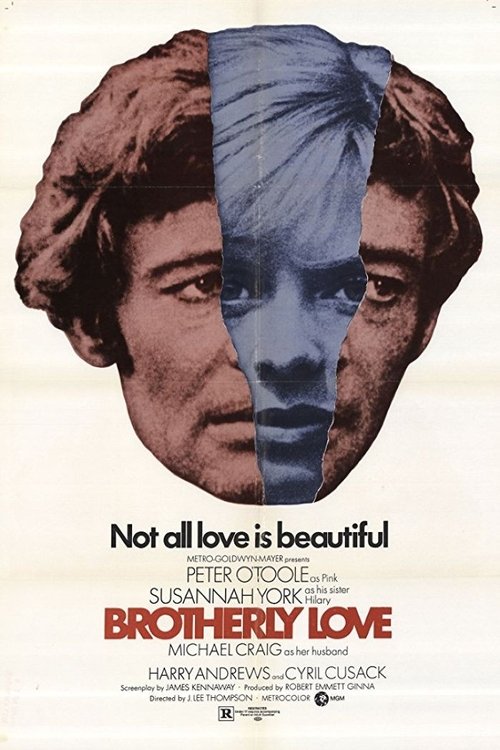
Brotherly Love operates as a traditional genre piece that reinforces the social and gender hierarchies of the early 1970s. The story centers on masculine hierarchies and the complexities of familial loyalty within a criminal underworld, offering limited space for diverse identities. The film's main driver is male-dominated structures and interpersonal conflict. While it touches on moral ambiguity and the tension between personal loyalty and authority, these themes are explored through a standard criminal drama lens, without a deeper systemic critique. Overall, the work reflects the cinematic sensibilities of its era, prioritizing gritty realism and conventional social frameworks.
Category Breakdown
The film does not include any characters or narratives related to LGBTQ+ identities. Relationships in the film are centered around traditional family and gender roles.
The story is dominated by male characters and structures. Hilary stands out by making a choice to leave her husband, but the overall plot is driven by male hierarchies.
The film focuses on organized crime in a mid-century urban environment. There is no indication of diverse casting or efforts to challenge the era's demographic norms.
The story explores moral relativism and situational ethics through characters who operate outside legal frameworks. It functions primarily as a genre drama without a deeper cultural critique.
There are no characters with physical or neurodivergent disabilities in the film. Disability is not used as a narrative device.
Present on Screen
Limited or Absent
Official Synopsis
Having left her husband, Hilary moves in with her unbalanced brother, Pink, who uses wit and humor to hide his amorous yearnings.
1964

1989
1970

1950
1959

1961

1968

1971
No reviews yet. Be the first to share your thoughts on this movie!
Use the rating form above to leave a star rating and optional review.