Find another title
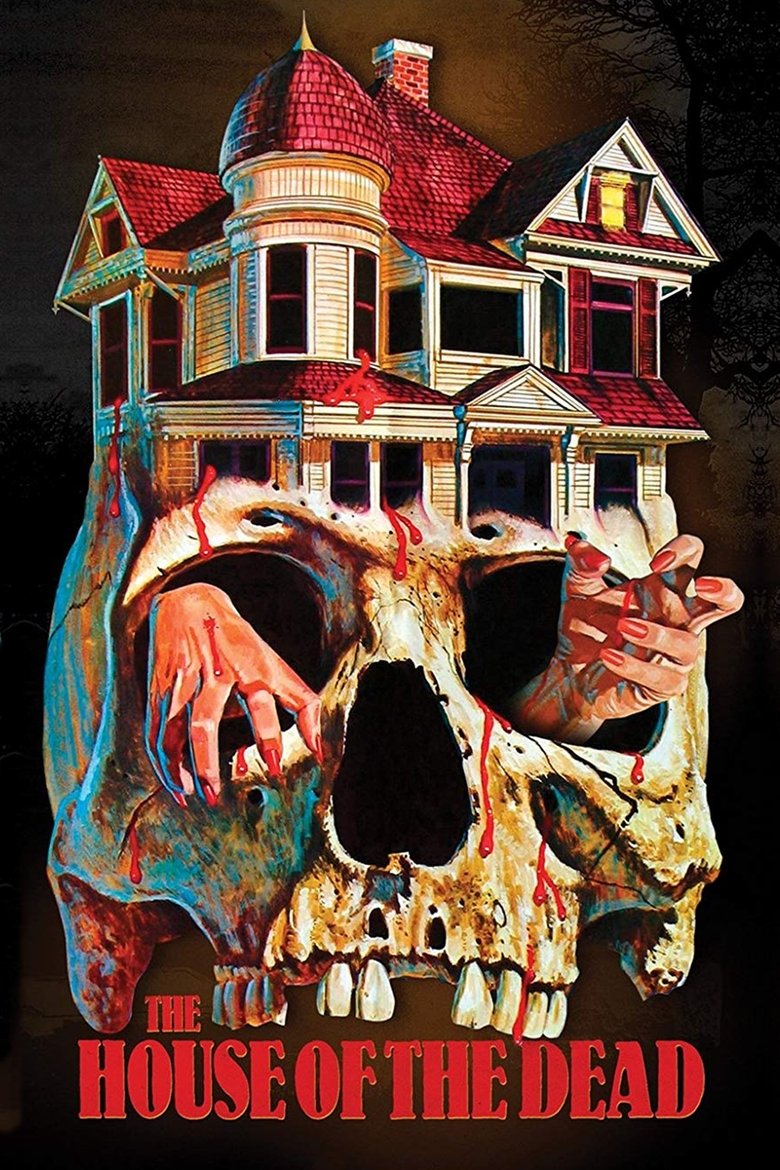
The House of the Dead
1978
PGDirector
Sharron Miller
Runtime
80 minutes
Average Rating
No ratings yetSynopsis
When a philandering husband accidentally finds himself lost during a rainstorm, he’s taken in by an elderly mortician and is forced to learn the ghastly origins of four freshly arrived corpses.
Where to Watch
Diversity & Representation
Overall Score
Minimal
Category Breakdown
LGBTQ+ Representation
The film lacks any evidence of non-cisnormative identities. The narrative focuses on a philandering husband and an elderly mortician, centering on traditional interpersonal infidelity.
Gender Representation
The story follows a patriarchal framework driven by male agency. The central conflict involves a male protagonist and a male secondary character, with no indication of female strength.
Racial & Ethnic Diversity
There is no information regarding the racial or ethnic composition of the cast. The film provides no details concerning characters of color or non-white protagonists.
Religious & Cultural Diversity
The film operates within a traditional moral framework regarding infidelity. It utilizes standard horror tropes without challenging established social institutions or Western norms.
Disability Representation
The narrative contains no mention of characters with visible or invisible disabilities. There is no evidence of neurodivergent representation within the story.
Strengths
- The film utilizes classic, effective horror tropes like the isolated, mysterious figure to build tension.
Areas for Improvement
- The narrative lacks intersectional representation and fails to subvert traditional gender hierarchies.
- There is a complete absence of racial, ethnic, or LGBTQ+ diversity within the character profiles.
- The story relies on a patriarchal framework that centers almost exclusively on male agency.
AI Analysis
The House of the Dead (1978) functions as a conventional genre piece that adheres to the standard narrative structures of late-1970s horror. The plot centers on a male protagonist's transgressions, suggesting a preoccupation with traditional domestic morality rather than a deconstruction of systemic power dynamics. Because the film focuses on a philandering husband and a mortician, the character dynamics remain rooted in a patriarchal framework. There is a notable absence of intersectional representation or any intentional disruption of social hierarchies. Ultimately, the film lacks discernible evidence of diverse identities, making it a product of its era's traditional storytelling tropes.
Rate this Movie
Reviews
No reviews yet. Be the first to share your thoughts on this movie!
Use the rating form above to leave a star rating and optional review.