
Savage Dawn
1985
No user ratings available yet
Representation score: 1.8 out of 10
Representation Score
Limited
1988
RDirector
Francis Megahy
Runtime
96 minutes
Average Rating
No ratings yetNew Showbiz Analysis
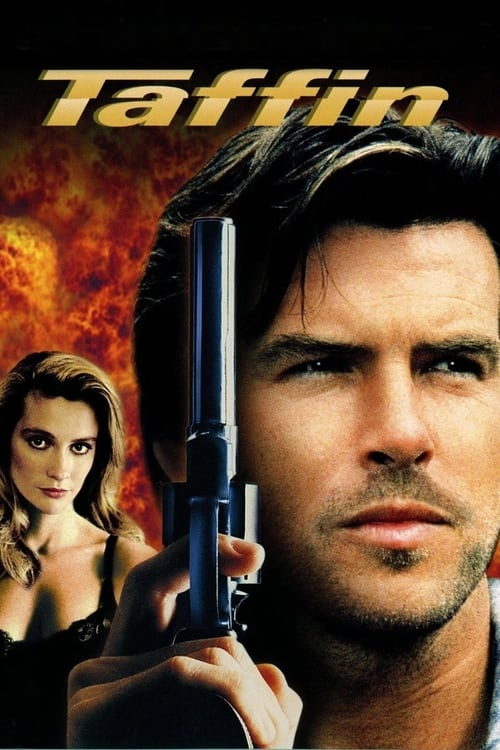
Taffin presents a gritty social realist study of the working-class experience in Liverpool. It highlights the intersection of physical labor and socioeconomic mobility but does not prioritize characters who reflect more than one aspect of diversity. The film's structure revolves around a male protagonist's struggle within a rigid class system. While it effectively dismantles the allure of professional sports, it adheres to the traditional demographic norms of 1980s British urban cinema. Ultimately, the work functions as a localized character study of masculine perseverance. It lacks the diverse casting and identity-focused narratives needed for a higher progressive score.
Category Breakdown
The film does not include any visible LGBTQ+ characters. The social setting emphasizes traditional masculine bonds and heterosexual relationships.
The story centers on masculine archetypes, particularly through the protagonist's identity as a boxer. Female characters play minor roles in the male-dominated storyline.
The cast is mainly composed of white actors representing the working class, reflecting the historical context of Liverpool. The film does not actively seek to diversify the ethnic makeup of its urban environment.
The film offers a nuanced look at class-based limitations and systemic socioeconomic pressures. It operates within social realism without adopting radical ideological shifts.
There is no significant focus on neurodivergence or visible disabilities. The physical toll of boxing is presented as an occupational hazard rather than an exploration of disability.
Present on Screen
Limited or Absent
Official Synopsis
When a small Irish town is terrorized by a corrupt business syndicate, a lone hero wages an all out war.
1985
1987
1982
1998
2013
1985
1978
1973
No reviews yet. Be the first to share your thoughts on this movie!
Use the rating form above to leave a star rating and optional review.