Emergency Squad
1974
No user ratings available yet
Representation score: 2.1 out of 10
Representation Score
Minimal
1972
PGDirector
Michael Tuchner
Runtime
103 minutes
Average Rating
No ratings yetNew Showbiz Analysis
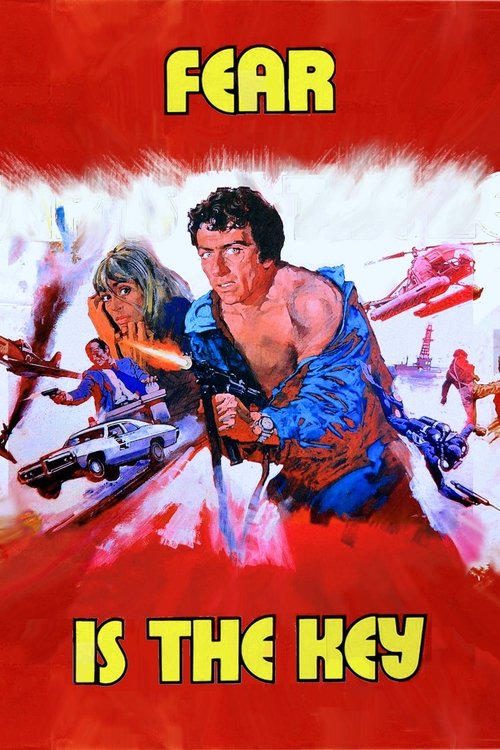
Fear Is the Key is a traditional 1970s action-thriller that prioritizes high-stakes revenge and fast-paced plot movement over social complexity. The narrative revolves around a male-driven vendetta, using standard genre archetypes that offer limited space for diverse representation. The film adheres to the cinematic language of its era, emphasizing individualist action and conventional power dynamics. Female characters often serve the protagonist's journey rather than having independent roles. Overall, the production reflects the genre-driven standards of the early 1970s. It lacks significant diversity in terms of gender, race, or sexual orientation, sticking to a narrow, character-driven conflict.
Category Breakdown
The film does not include any LGBTQ+ characters or non-cisgender identities. It follows traditional social and romantic structures typical of early 1970s action cinema.
The story focuses on a male protagonist driven by vengeance. While Sarah Ruthven is important, she mainly serves as a plot catalyst rather than an independent agent.
Despite being set in Louisiana, the narrative does not explicitly feature diverse racial or ethnic identities. The story centers on a specific conflict within a predominantly Anglo-Saxon framework.
The plot follows traditional thriller clichés of crime and retribution. It does not critically examine institutions, focusing instead on a personal vendetta and standard justice arcs.
There are no characters with visible or invisible disabilities. Disability is not used as a narrative device within the story.
Present on Screen
Limited or Absent
Official Synopsis
A deep-sea salvage expert enacts an elaborate plan to infiltrate and take revenge on a criminal organization that dealt him a foul misdeed.
1974
1973
1976

1972
1954

1967
1975
1983
No reviews yet. Be the first to share your thoughts on this movie!
Use the rating form above to leave a star rating and optional review.