Don't Take God's Children for Wild Geese
1968
No user ratings available yet
Representation score: 4.8 out of 10
Representation Score
Good
1976
PGDirector
Jerry Schatzberg
Runtime
90 minutes
Average Rating
No ratings yetNew Showbiz Analysis
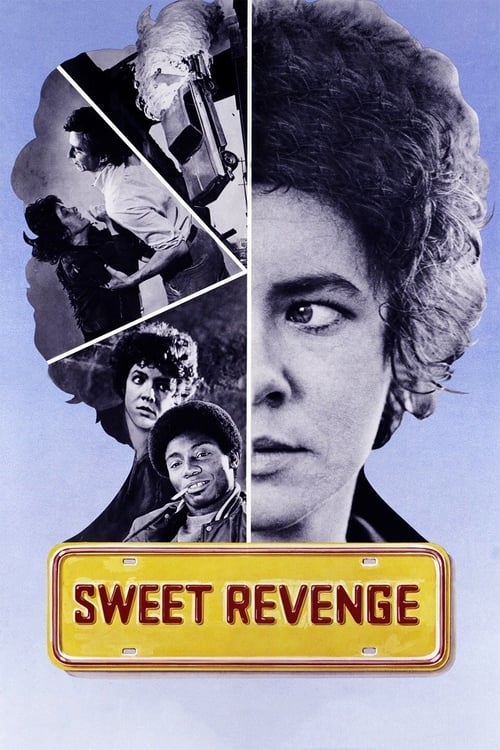
Sweet Revenge stands out for its subversion of traditional gender roles. By focusing on a clever female car thief who manipulates legal authority, the film highlights a protagonist who play a significant role in driving the story rarely seen in 1970s crime dramas. While the film includes actors like Franklyn Ajaye to provide some racial diversity, the primary plot drivers remain centered on the white lead, limiting the impact of its diverse cast. The film’s strength lies in its questioning of established social orders. It celebrates a protagonist driven by personal empowerment and systemic disruption rather than civic responsibility.
Category Breakdown
The film focuses on a romantic tension between Vurrla and Le Clerq but does not explicitly include non-traditional gender identities or LGBTQ+ relationships, sticking to conventional heterosexual norms.
Vurrla is a strong, independent female protagonist who challenges the 'male protector' cliché by using legal and social systems to her advantage. She takes a leading role in the story.
The cast includes Franklyn Ajaye, adding some racial diversity. However, the main focus is on the individual goals of the white protagonist.
The story promotes moral relativism and questions institutional authority. It emphasizes the protagonist's personal desires and situational ethics over strict legal morals.
There is no indication of physical or neurodivergent disabilities being portrayed in this film.
Present on Screen
Limited or Absent
Official Synopsis
A young woman with a long rap sheet who steals cars for a living is befriended by a public defender who tries to steer her straight. But her goal is to steal and subsequently sell enough cars (sometimes the same car more than once) to buy a new Ferrari.
1968

1966

1989
1976
1977
1970
1998
1974
No reviews yet. Be the first to share your thoughts on this movie!
Use the rating form above to leave a star rating and optional review.