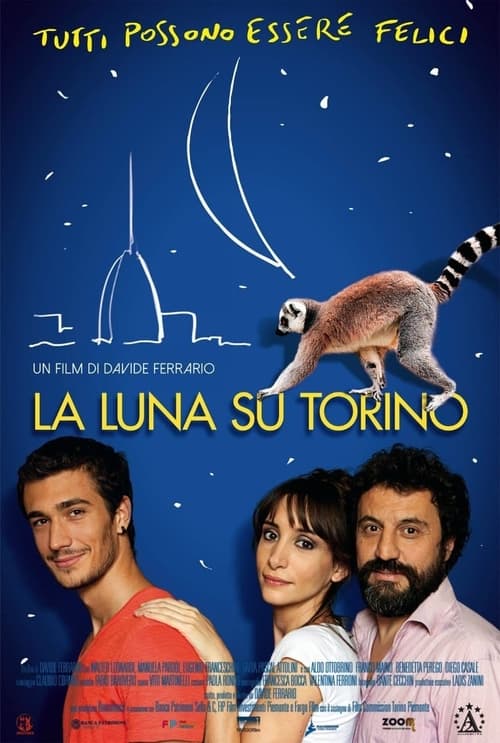
La luna su Torino
2014
No user ratings available yet
Representation score: 4.9 out of 10

Representation Score
Limited
2020
Not RatedDirector
Massimo Venier
Runtime
105 minutes
Average Rating
No ratings yetNew Showbiz Analysis
Massimo Venier’s I Hate Summer relies heavily on familiar Italian comedic clichés, focusing on three fathers whose marital and parental conflicts drive the narrative. The shared vacation house serves as a pressure cooker for traditional domestic dynamics, where male perspectives dominate and female characters handle the emotional labor. The story resolves through traditional social cohesion, maintaining a culturally homogeneous framework that ignores broader societal intersections. Ultimately, the film offers a lighthearted escape without making progressive statements.
Category Breakdown
The story focuses solely on three traditional married couples and their children, with no room for LGBTQ+ identities or alternative relationship models. The comedy is driven by heterosexual dynamics, ignoring any queer perspectives.
Male characters take center stage as active agents, while female characters are limited to supporting roles or reactive archetypes, reinforcing traditional gender roles.
The cast and setting are exclusively Italian, with no demographic diversity. The story stays within a culturally homogeneous framework, ignoring broader societal intersections.
The film centers on middle-class Italian family life and bureaucratic humor. It resolves conflicts through traditional social cohesion without challenging established cultural or institutional norms.
A hypochondriac character is used for comedic effect without addressing any real medical issues. The film lacks meaningful engagement with visible disabilities, neurodivergence, or authentic lived experiences.
Present on Screen
Limited or Absent
Official Synopsis
Three families end up in the same rented house. Throughout the summer, they become friends and rediscover how to enjoy life.
2014

2015

2018

2002

2024

2022

2022

2022
No reviews yet. Be the first to share your thoughts on this movie!
Use the rating form above to leave a star rating and optional review.