
Descarrilados
2021
No user ratings available yet
Representation score: 3.1 out of 10
Representation Score
Limited
2012
Director
Hugo Gélin
Runtime
104 minutes
Average Rating
No ratings yetNew Showbiz Analysis
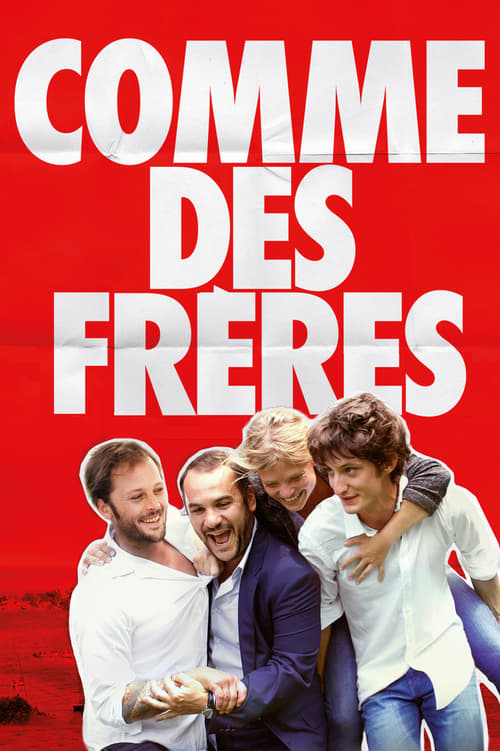
Just Like Brothers is a character-driven dramedy that prioritizes emotional realism and interpersonal reconciliation. It challenges traditional masculine stoicism by allowing its male protagonists to navigate grief and dysfunction openly. However, the film lacks diversity. The narrative remains focused on a homogeneous demographic and a localized cultural perspective, which limits its engagement with broader social identities. Ultimately, the film functions as a traditional study of friendship and loss rather than a tool for deconstructing social hierarchies or institutional structures.
Category Breakdown
The film focuses on traditional heterosexual relationships and male friendships. It does not include characters with non-binary gender identities or challenge conventional relationship structures.
The story provides a nuanced look at masculinity by allowing men to express vulnerability and grief. However, the female presence is largely posthumous, limiting active gender roles.
The cast is relatively homogeneous, focusing on a specific Québécois demographic. The narrative lacks diverse casting or metaphors for ethnic plurality.
The film operates within a standard Western framework of personal growth. While it explores different socioeconomic statuses, it avoids broader critiques of capitalism or family structures.
There are no prominent depictions of visible or invisible disabilities that serve as central narrative pillars in the story.
Present on Screen
Limited or Absent
Official Synopsis
Since Charlie is no longer there, the lives of Boris, Elie, and Maxime have been torn apart. These three men, who have nothing in common, all shared one thing: their love for Charlie. One loved her like a sister, one loved her like the woman of his dreams, one loved her like a friend. Except that Charlie is dead and none of them - not Boris, an accomplished businessman, not Elie, a night owl scriptwriter, and not Maxime, still living at home with his mother - know how to deal with it. But because she asked them to do so, they abruptly decide to undertake a journey together, heading for Corsica and the house that Charlie loved so much. Except that here they are stuck in a car together for over 500 miles. It's going to be a long journey. Boris, Elie and Maxime, three men, three generations, no affinity. But by the time they arrive at their destination, they will have realized one majorly important thing: Charlie has changed their lives forever.
2021
2000

2011
1995
2016
2023

2012

2017
No reviews yet. Be the first to share your thoughts on this movie!
Use the rating form above to leave a star rating and optional review.