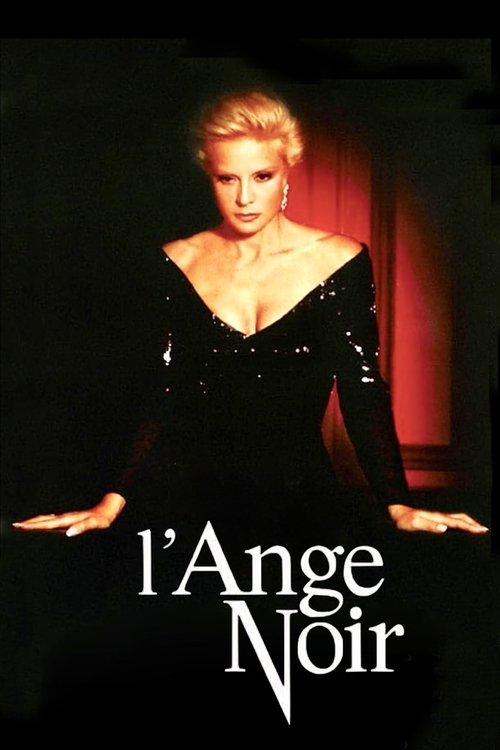
The Black Angel
1994
No user ratings available yet
Representation score: 4.1 out of 10
Representation Score
Limited
2014
Director
Joël Santoni
Runtime
93 minutes
Average Rating
No ratings yetNew Showbiz Analysis
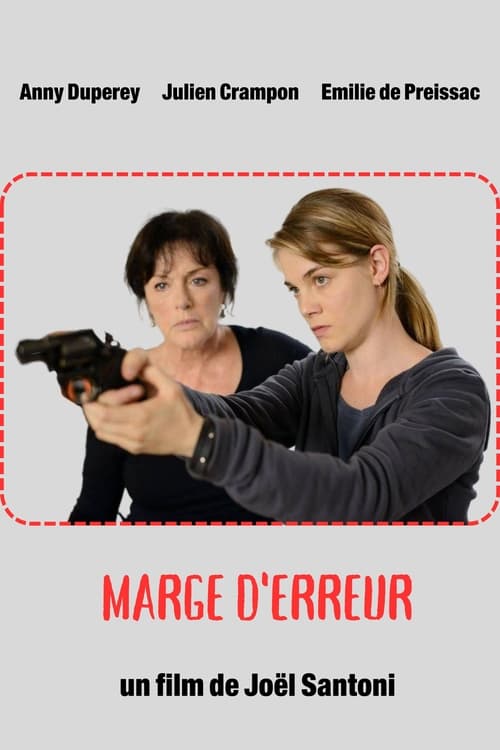
Marge d'erreur operates as a traditional European mystery-thriller. Its primary strength lies in its gender dynamics, as it centers the plot on female professionals rather than male archetypes. This provides a refreshing shift in ability to act for the genre. However, the film lacks depth in terms of the way different parts of someone's identity overlap. The narrative is heavily Eurocentric and lacks racial diversity or LGBTQ+ representation. It functions within standard Western institutional frameworks without challenging them through a systemic or cultural lens. Ultimately, while the film offers meaningful women's ability to drive the story, it remains a conventional genre piece that does not push boundaries regarding race, identity, or social critique.
Category Breakdown
The film does not include explicit LGBTQ+ identities or same-sex relationships. The story focuses on legal and ethical conflicts between characters without addressing LGBTQ+ themes.
The story challenges traditional gender roles by focusing on two professional women. Rebecca and Malice have significant roles in driving the plot, shifting the detective archetype away from a male-centric model.
The narrative follows traditional Western demographic patterns typical of the thriller genre. The setting and cast suggest a predominantly Eurocentric story without significant racial diversity.
The film explores situational morality through Western legal and institutional structures. It focuses on individual ethical dilemmas without critiquing broader cultural or systemic issues.
There is no mention of characters with visible or invisible disabilities. No information is available to assess representation in this category.
Present on Screen
Limited or Absent
Official Synopsis
Rebecca (Anny Duperey), a lawyer, realizes that the young man (Julien Crampon) whom she has exonerated after a brilliant defense could in fact be the culprit of the murder he is accused of, and that he may be planning another crime. Rebecca's personal inquiry leads her all the way to Belgium, where she crosses her ethical 'red line' when she meets Malice (Emilie de Preissac), a young police officer. An impulsive hot head, Malice leads her on a wild ride through Brussels.
1994

2016

2014
2022

2009
2014
2019
2009
No reviews yet. Be the first to share your thoughts on this movie!
Use the rating form above to leave a star rating and optional review.