
Broken Embraces
2009
No user ratings available yet
Representation score: 8.7 out of 10
Representation Score
Good
2009
RDirector
Juan José Campanella
Runtime
130 minutes
Average Rating
No ratings yetNew Showbiz Analysis
The film effectively critiques systemic issues, using a flawed judiciary to challenge established power structures. Its portrayal of institutional corruption is sophisticated. However, the film remains traditional in its social demographics. It lacks representation for LGBTQ+ identities and does not feature characters shaped by disability. Ultimately, the work focuses on historical memory and class-based identity rather than a broad social tapestry, emphasizing political and moral complexity over demographic diversity.
Category Breakdown
The film focuses on heterosexual relationships and professional partnerships. It does not include explicit LGBTQ+ identities or non-traditional gender expressions.
Judge Irene challenges traditional gender roles through her intellectual authority. Her partnership with Espósito emphasizes mutual respect and equality.
Casting reflects the socioeconomic and political context of Argentina. The story explores class-based identity and economic disparities within the judicial system.
The film critically examines Western institutions and the state's failure to deliver justice. It delves into moral relativism and the political instability of the 1970s.
Psychological trauma is a key theme, but it is not addressed through the lens of disability. There are no characters with disabilities who drive the plot.
Present on Screen
Limited or Absent
Official Synopsis
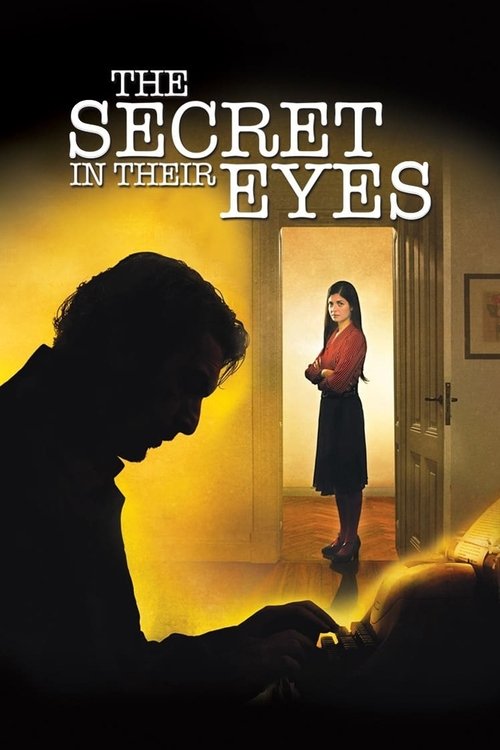
Hoping to put to rest years of unease concerning a past case, retired criminal investigator Benjamín begins writing a novel based on the unsolved mystery of a newlywed’s rape and murder. With the help of a former colleague, judge Irene, he attempts to make sense of the past.
2009

1960

2014

2009

2011

2001
2022

2010
No reviews yet. Be the first to share your thoughts on this movie!
Use the rating form above to leave a star rating and optional review.