
The Audition
2013
No user ratings available yet
Representation score: 4.7 out of 10
Representation Score
Good
2017
Director
Rä di Martino
Runtime
75 minutes
Average Rating
No ratings yetNew Showbiz Analysis
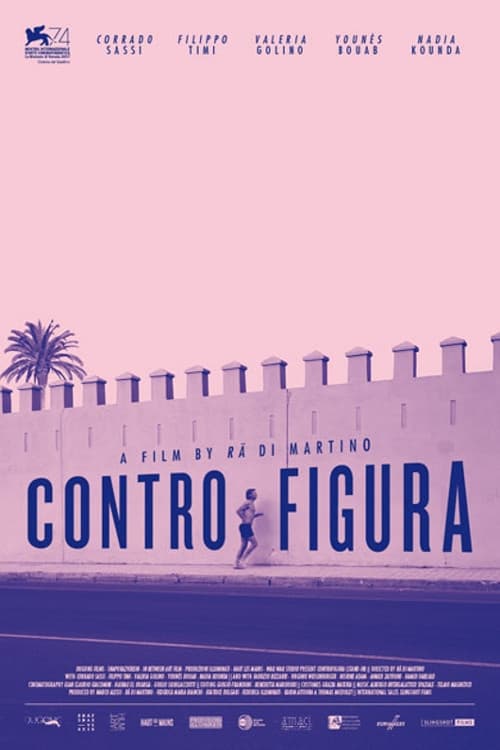
The Stand-In presents a surreal, meta-narrative look at identity through the lens of a film crew in Marrakesh. Its strength lies in its ability to break down traditional cinematic hierarchies and move beyond Western-centric visuals by using North African landscapes. However, the film remains somewhat abstract in its representation. While it intellectually challenges systemic structures and the stability of roles, it lacks explicit, actively leading depictions of underrepresented groups, particularly regarding disability and specific queer identities. Ultimately, the film serves as a niche, postmodern study of the fringes of the industry. It succeeds as a critique of the artifice of media production but falls short in providing concrete, character-driven representation for a higher diversity score.
Category Breakdown
The film examines the idea that identity can be flexible and performed. Although it doesn't show specific LGBTQ characters, its focus on identity struggles hints at a willingness to explore non-traditional ideas about identity.
By highlighting the work of a stand-in instead of typical heroic figures, the film challenges traditional gender roles. It emphasizes existential struggles over stable, traditional roles.
Setting the film in Marrakesh introduces a significant departure from Western settings. Using North African locations breaks the usual Hollywood production model and shifts the focus away from homogeneous environments.
The story critiques the film industry and capitalist media systems in a postmodern way. It prioritizes individual experiences and systemic instability over traditional institutional hierarchies.
The film centers on the psychological and existential states of the characters. There are no explicit representations of characters with physical or neurodivergent disabilities.
Present on Screen
Limited or Absent
Official Synopsis
A small film crew is wandering about Marrakesh and the surrounding desert. They are looking for locations for the remake of an American film in which a man swims his way home, passing through the houses and pools that he finds along the route. Corrado is the stand in used to test the shots, locations and the swimming pools in which the lead will be filmed. While we watch his attempts to get into the part, the real actors and a real crew burst onto the scene, on a set in which no one is in the right place. A film with a crisis of identity, in a surreal search for itself.
2013

2011
2002
2015
2007
1995
1981

2018
No reviews yet. Be the first to share your thoughts on this movie!
Use the rating form above to leave a star rating and optional review.