
No C4 for Daniel Daniel
1987
No user ratings available yet
Diversity score: 4.0 out of 10
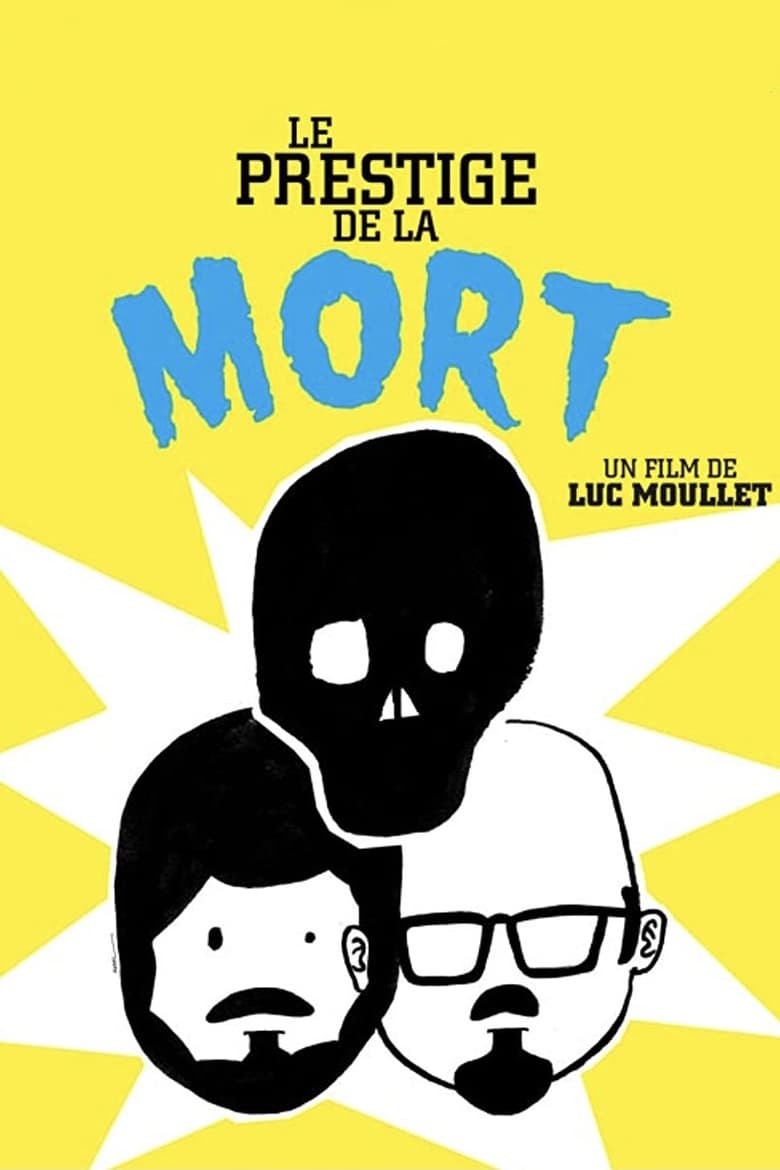
2007
Director
Luc Moullet
Runtime
75 minutes
Average Rating
No ratings yetSynopsis
Whilst seeking out locations in the South of France for his next film, director Luc Moullet comes across a male corpse. He immediately decides to use this to his advantage. By swapping his passport with that of the dead man, Moullet hopes that the world will believe he is dead, thereby ensuring a renewed interest in his work. Unfortunately, the scheme backfires, since the dead man was someone rather important...
Overall Score
Fair
Category Breakdown
LGBTQ+ Representation
The film focuses on an existential and professional crisis rather than queer identities. There is no explicit evidence of non-heteronormative relationship dynamics within the plot.
Gender Representation
The story centers on a male protagonist's idiosyncratic response to a crisis. While it lacks female empowerment, it subverts traditional masculine leadership through a chaotic and fallible portrayal of agency.
Racial & Ethnic Diversity
Set in the South of France, the film operates within a relatively homogeneous social framework. There is no evidence of a multi-ethnic cast or intentional racial diversity.
Religious & Cultural Diversity
The narrative effectively challenges Western sanctity regarding death and social institutions. It prioritizes a nihilistic morality that critiques the performative nature of social status and institutional importance.
Disability Representation
There is no documented evidence regarding the portrayal of physical or neurodivergent disabilities in this work.
Strengths
Areas for Improvement
AI Analysis
Death's Glamour is a meta-cinematic comedy that prioritizes philosophical and institutional critique over demographic breadth. The film excels at deconstructing social norms and the sanctity of identity through its absurdist premise. However, the narrative scope is quite narrow. The film lacks significant representation across racial, LGBTQ+, and gender-diverse lines, focusing instead on a localized European context and a singular male perspective. Ultimately, the film's strength lies in its cultural commentary. It uses a protagonist's moral relativism to challenge the stability of Western social orders, even if it fails to provide a diverse cast.
No reviews yet. Be the first to share your thoughts on this movie!
Use the rating form above to leave a star rating and optional review.