The Continuing Story of Carel and Ferd
1975
No user ratings available yet
Representation score: 6.6 out of 10
Representation Score
Good
1973
Director
Vlatko Gilić
Runtime
28 minutes
Average Rating
No ratings yetNew Showbiz Analysis
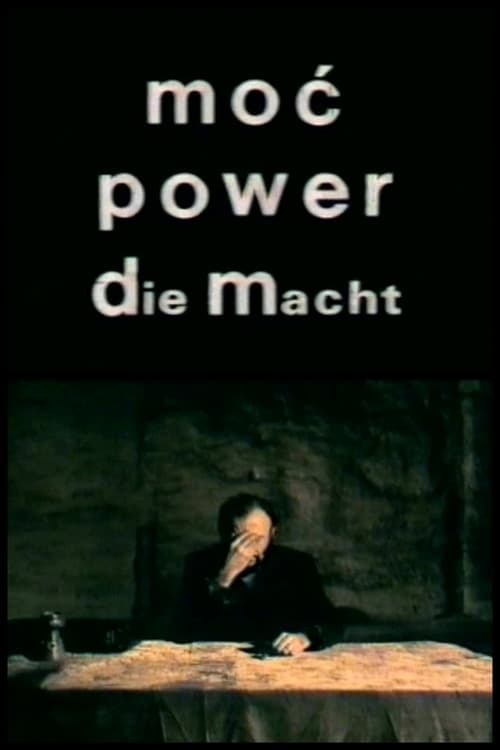
Power (1973) is a thought-provoking documentary-drama that prioritizes psychological and sociological inquiry over identity-based representation. Its strength lies in its intellectual disruption of authority and its examination of how social structures facilitate harm through collective obedience. While the film effectively critiques systemic power and the fragility of autonomy, it remains largely neutral regarding specific demographic identities. The narrative centers on universal human vulnerabilities rather than the exploration of race, gender, or sexual orientation. Ultimately, the work serves as a critique of manipulation. It replaces traditional character-driven diversity with a deep, unsettling look at the mechanics of mass suggestion and the abuse of power.
Category Breakdown
The film does not include any explicit LGBTQ+ characters or stories. The focus is on psychological experiments and group dynamics rather than identity-focused narratives.
The film disrupts traditional leadership hierarchies by showing how individuals give up control to a manipulator. However, there are no specific details about the gender breakdown of the participants.
The cast likely reflects the regional demographics of 1973 Yugoslavia. There is no evidence of intentional racial diversity or the use of non-human metaphors for ethnicity.
The film offers a strong critique of authority and institutional stability. It highlights the dangers of systemic control and the risks of unquestioned obedience to social orders.
The film explores altered states of consciousness through hypnosis. These psychological states serve a sociological critique rather than providing real ability to act to individuals with disabilities.
Present on Screen
Limited or Absent
Official Synopsis
Screened in the official competition at the Cannes Festival, this controversial documentary depicts a hypnosis session in which participants, under its influence, inflict pain on themselves and others. The film addresses important themes such as manipulation, abuse of power, and collective obedience.
1975
2016
1962
2015

1978

1976
2015
2001
No reviews yet. Be the first to share your thoughts on this movie!
Use the rating form above to leave a star rating and optional review.