
Bride of Re-Animator
1990
No user ratings available yet
Representation score: 6.2 out of 10
Representation Score
Good
1993
RDirector
Brian Yuzna
Runtime
97 minutes
Average Rating
No ratings yetNew Showbiz Analysis
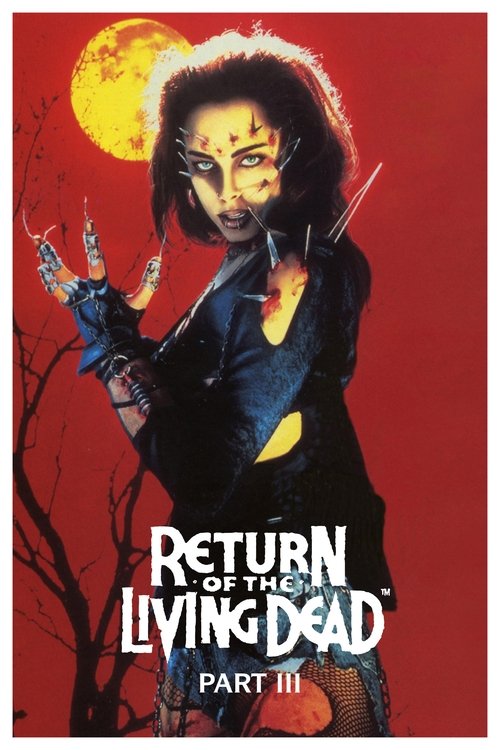
Return of the Living Dead III is a genre-deconstruction piece that prioritizes atmospheric depth over broad demographic representation. It stands out by challenging traditional horror clichés, especially through its female lead and its critique of systemic institutional failure. Despite the lack of significant racial or LGBTQ+ representation, the film avoids simplistic moral binaries. The protagonist is framed as a victim of corporate negligence, adding layers of narrative complexity. Ultimately, the film's strength lies in its psychological exploration of identity and systemic victimhood, though it remains limited by a narrow casting scope.
Category Breakdown
The film adheres to a traditional heterosexual framework, with no representation of LGBTQ+ identities or same-sex relationships.
Julie, the female lead, plays a significant role in driving the story and navigating the complexities of the protagonist's condition.
The cast is primarily composed of white actors, reflecting the urban setting without making intentional efforts to include diverse racial backgrounds.
The film critiques the corruption of scientific and corporate institutions, presenting a dystopian cityscape where individuals are victims of institutional failure.
The protagonist's condition is portrayed as a metaphor for uncontrollable biological dysfunction, focusing on the tragic and grotesque aspects rather than empowering the character.
Present on Screen
Limited or Absent
Official Synopsis
Having recently witnessed the horrific results of a top secret project to bring the dead back to life, a distraught teenager performs the operation on his girlfriend after she's killed in a motorcycle accident.
1990
1988

1990

1986

1985

1988
2003

1984
No reviews yet. Be the first to share your thoughts on this movie!
Use the rating form above to leave a star rating and optional review.