The Cry of the Owl
1987
No user ratings available yet
Representation score: 2.5 out of 10
Representation Score
Good
1968
RDirector
Henri-Georges Clouzot
Runtime
106 minutes
Average Rating
No ratings yetNew Showbiz Analysis
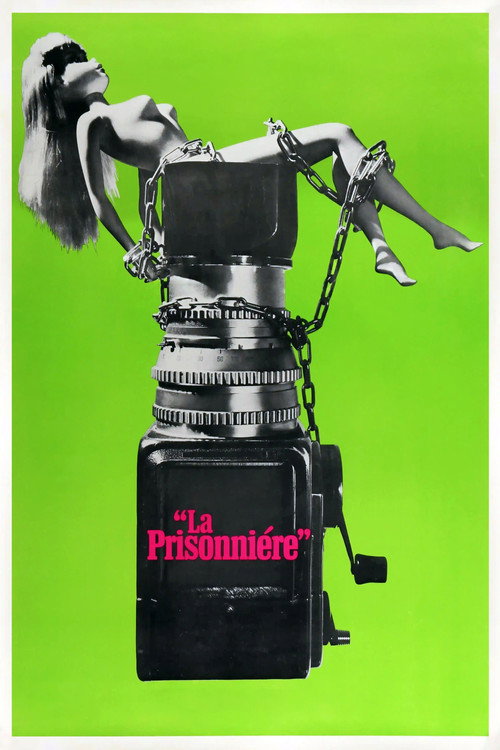
Woman in Chains is a psychological study that dismantles traditional masculine strength and institutional respectability. It succeeds in subverting the 'collector' archetype by portraying traditional authority as fractured and predatory. However, the film lacks significant multi-layered depth. The narrative remains confined to a homogeneous social sphere, offering little in the way of racial or LGBTQ+ representation. Ultimately, the work critiques Western social stability through the lens of psychological fragmentation rather than a diverse social tapestry.
Category Breakdown
The story focuses on a heterosexual relationship between Josée and Stanislas. There is no explicit representation of LGBTQ+ identities or non-cisgender expressions, although the film explores psychological states that deviate from typical heterosexual norms.
The film challenges traditional gender roles by depicting the male protagonist as psychologically unstable and predatory rather than strong and in control. Josée’s character suggests a complex power dynamic that goes beyond passive female stereotypes.
The narrative takes place in a homogeneous social environment centered around the high-art gallery circuit. There is no evidence of racial diversity or non-white majority casting within this Western setting.
The film questions the sanctity of high-culture institutions by portraying a gallery director as a perpetrator of perversion. It favors a chaotic, situational ethical framework over traditional morality.
The narrative includes significant mental health instability and psychological dysfunction. While Stanislas is portrayed as disturbed, it is unclear whether this explores neurodivergence or simply serves as a standard thriller device.
Present on Screen
Limited or Absent
Official Synopsis
Gallery director Stanislas bolsters the development of modern art with his collection of surprising works. His newest acquisition is a sculpture by Gilbert, whose wife Josée is captivated by Stanislas. But unbeknownst to her, Stanislas is amassing photographs of a very perverse, disturbed nature.
1987
1975

1986
1967
2002
1966

1976

1988
No reviews yet. Be the first to share your thoughts on this movie!
Use the rating form above to leave a star rating and optional review.