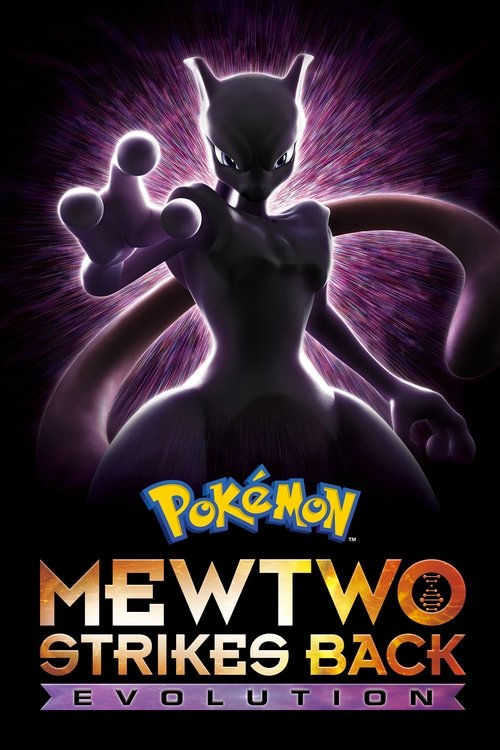
Pokémon the Movie: Mewtwo Strikes Back - Evolution
2019
No user ratings available yet
Representation score: 4.6 out of 10

Representation Score
Good
2001
Not RatedDirector
Masamitsu Hidaka
Runtime
63 minutes
Average Rating
No ratings yetNew Showbiz Analysis
Pokémon: Mewtwo Returns advances the franchise by delving into existential themes rather than just adventure. The film uses its unique premise to explore complex issues of systemic exploitation and the ethics of scientific creation. While the movie shines in its critique of institutional power, it falls short in representing diverse human identities. It relies heavily on traditional masculine archetypes of dominance and lacks visible queer or racially diverse perspectives. Overall, the film's strength lies in its metaphorical depth, using the idea of 'the created' to reflect real-world struggles for autonomy, offering a level of sophistication uncommon in typical family animation.
Category Breakdown
The film does not explicitly depict LGBTQ+ identities or relationships that go beyond the assumption that everyone is straight. Instead, it focuses on the existential conflict between living creatures and their creators.
The story centers around masculine figures who represent dominance and control. Female characters like Jessie exist within these power structures but do not have significant roles in driving the narrative.
The fantasy world features species-based diversity through various Pokémon. However, the human cast does not show a mix of different racial backgrounds or non-Anglo-Saxon majority representation.
The film provides a nuanced look at institutional power and scientific dominance. It explores themes of rebellion against authoritarian systems through the struggles of the created beings.
The clones act as a metaphor for those who exist outside typical biological norms. Their fight for autonomy reflects discussions about bodily rights and neurodiversity.
Present on Screen
Limited or Absent
Official Synopsis
The Team Rocket leader, Giovanni, has found Mewtwo in a remote area of the Johto region. As Giovanni tries to re-capture Mewtwo, Ash and his friends are kidnapped by Domino, a new Team Rocket member, while trying to rescue Pikachu from Jessie and James. The Clone Pokemon are also captured and are then used as bait for Mewtwo. The situation then becomes a battle between the wills of Mewtwo and Giovanni; and Mewtwo also tries to discover if it and the clones have a purpose in life, even though they are products of science.
2019
2007
1998
2009
2003
1999
2013

2006
No reviews yet. Be the first to share your thoughts on this movie!
Use the rating form above to leave a star rating and optional review.