Karen Dalton: In My Own Time
2021
No user ratings available yet
Representation score: 7.3 out of 10
Representation Score
Good
2019
PG-13Director
Rob Epstein, Jeffrey Friedman
Runtime
95 minutes
Average Rating
No ratings yetNew Showbiz Analysis
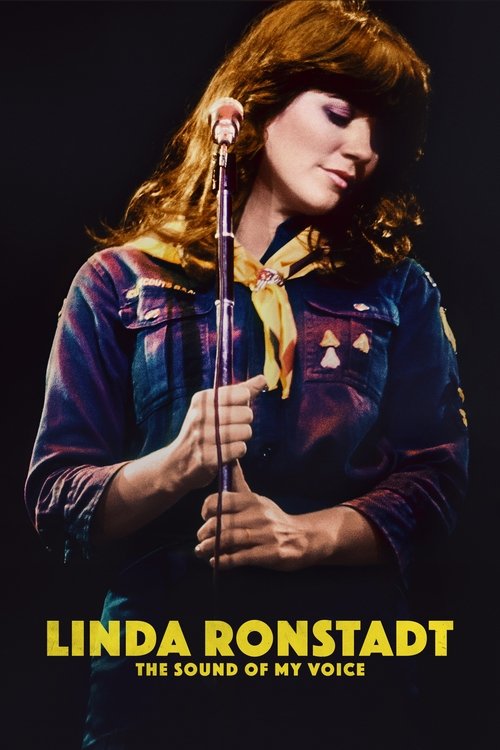
The documentary shines as a study of female professional autonomy, dismantling the male-dominated structures of the 1960s and 70s music industry. Ronstadt is portrayed as a powerful figure rather than a passive participant. However, the film is constrained by the historical context it depicts. Racial and ethnic representation remains tied to the industry's demographics, and LGBTQ+ elements, though nuanced, are not central to the narrative. Overall, the film is a sophisticated biography that prioritizes individual empowerment over institutional norms, even if it does not actively seek to challenge broader societal structures.
Category Breakdown
The film provides a detailed look at Ronstadt’s personal life and relationships through archival footage. It avoids stereotypes but does not center its narrative around LGBTQ+ themes.
The documentary emphasizes Ronstadt's ability to command professional spaces and showcases her intellect and creative independence, challenging traditional gender roles.
Reflecting the demographics of the time, the film captures the influence of various cultures in folk and rock music but does not actively diversify its cast to challenge historical contexts.
The film focuses on individual expression and personal truth, subtly critiquing the music industry as a capitalist machine, rather than adhering to traditional social structures.
The film addresses the physical and neurological impacts of aging and career stress with dignity, avoiding common clichés about inspirational stories.
Present on Screen
Limited or Absent
Official Synopsis
With one of the most memorably stunning voices that has ever hit the airwaves, Linda Ronstadt burst onto the 1960s folk rock music scene in her early twenties.
2021

2021

2016
2018

2019
2005
2019
2016
No reviews yet. Be the first to share your thoughts on this movie!
Use the rating form above to leave a star rating and optional review.