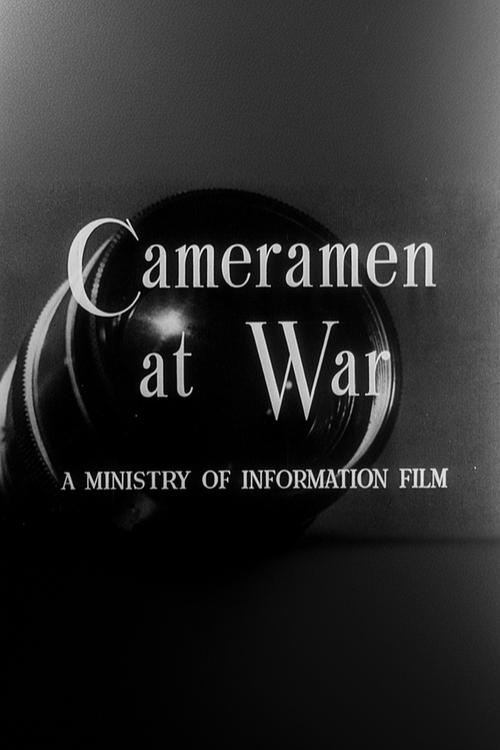
Cameramen at War
1943
No user ratings available yet
Representation score: 0.3 out of 10
No Poster Available
Representation Score
Limited
1934
ADirector
Norman Lee
Runtime
76 minutes
Average Rating
No ratings yetNew Showbiz Analysis
Norman Lee’s documentary succeeds in humanizing the individual soldier by moving beyond the sanitized newsreels of the era. By using first-hand accounts, the film provides a more visceral and sympathetic look at the harsh realities of war. However, the film is deeply influenced by the social hierarchies of 1934. The narrative structure is predominantly male-centric, presenting women through a domestic lens and reflecting the homogeneous demographic composition of the period's armed forces. While it offers insight into the physical and psychological toll of service, it does not challenge the systemic Western structures of the time. It remains a traditional historical document that mirrors the era's limited perspectives on multiple aspects of identity.
Category Breakdown
The film does not include any LGBTQ+ characters or narratives. It focuses solely on the shared experiences of soldiers within the social norms of 1934.
The story centers on the male soldiers' experiences. Women are shown primarily as those left behind, reinforcing traditional domestic roles and a clear distinction between home and battlefield.
Representation likely aligns with the homogeneous military structures of the 1930s. There is no indication of diverse casts or non-Western perspectives included in the documentary.
The film offers a vivid portrayal of wartime suffering that contrasts with sanitized newsreels. However, it remains rooted in a traditional Western framework of wartime remembrance.
The documentary highlights the physical and psychological trauma of combat. These injuries are presented through the lens of wartime necessity rather than modern narratives focused on personal ability to act.
Present on Screen
Limited or Absent
Official Synopsis
Filmmaker Norman Lee’s searing 1934 documentary is a true testament to what soldiers endure during their time with the armed forces. Understanding that the public’s knowledge of wartime experience was limited to newsreels and photographs, Lee complements such footage with first-hand accounts and footage to help audiences better understand and sympathize with the brutal realities of war. From leaving families and loved ones to fighting on the battlefield and risking lives, nearly each personal facet is explored and discussed in Lee’s powerful testament. This film was probably either inspired by, or the inspiration for, Samuel Cummins' production of the same title (q.v.)
1943
1987
2014
1916
2017

2017
2019
2005
No reviews yet. Be the first to share your thoughts on this movie!
Use the rating form above to leave a star rating and optional review.