
Toriko the Movie: Secret Recipe of Gourmet God!
2013
No user ratings available yet
Representation score: 4.0 out of 10
Representation Score
Fair
2011
Director
Hiroshi Kōjina
Runtime
24 minutes
Average Rating
No ratings yetNew Showbiz Analysis
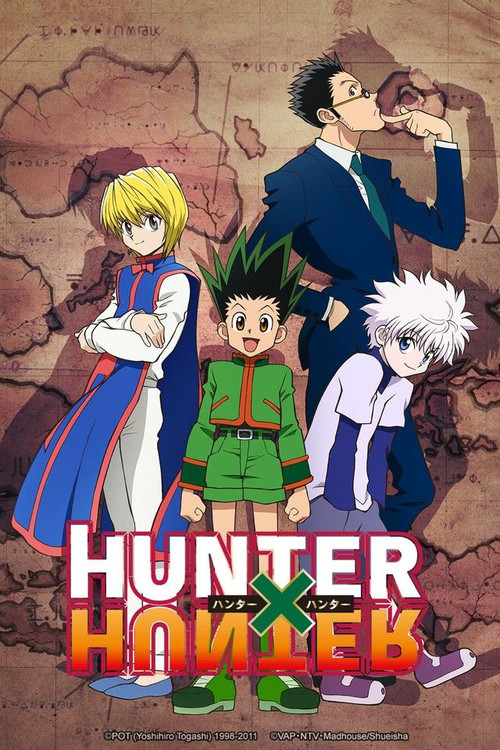
The narrative centers on Gon and three male friends pursuing Hunter licenses. Women appear only in minor supporting roles, while the main ensemble is visually homogeneous. Kurapika’s arc addresses ethnic genocide, adding cultural weight to his character. Hisoka’s ambiguous interest in Gon offers a subtle same-sex dynamic without explicit labeling. Traditional family structures are questioned through Gon’s assassin biological family versus his found friend group. The story prioritizes personal codes of honor over formal institutions. Disability is absent, with physical limits tied to combat rather than lived experience. Religious elements are missing entirely. The overall score reflects these specific absences and the limited scope of diversity present.
Category Breakdown
Hisoka Morow displays persistent, ambiguous romantic interest in Gon throughout their interactions. This dynamic remains subtle and non-explicit within the broader narrative. No other same-sex relationships are depicted or discussed.
The core group consists of four male friends driving the plot. Female characters like Shizuku and Alluka appear primarily in support or background roles. Biscuit Krueger serves as a mentor figure teaching combat skills.
The cast is visually homogeneous with no explicit non-white characters in the main ensemble. Kurapika’s backstory centers on the genocide of his nomadic clan. This provides distinct cultural depth to his character arc.
Religious institutions and theological debates are absent from the narrative. The world lacks formal religious or state institutions. Personal codes of honor and merit focus the story instead.
No characters are depicted with ongoing physical or cognitive disabilities. Physical limitations are tied to combat abilities rather than lived experience. Disability is effectively absent from the narrative.
Present on Screen
Limited or Absent
Official Synopsis
Gon Freecss aspires to become a Hunter, an exceptional being capable of greatness. With his friends and his potential, he seeks out his father, who left him when he was younger. 144 episodes | 3,552 minutes
2013
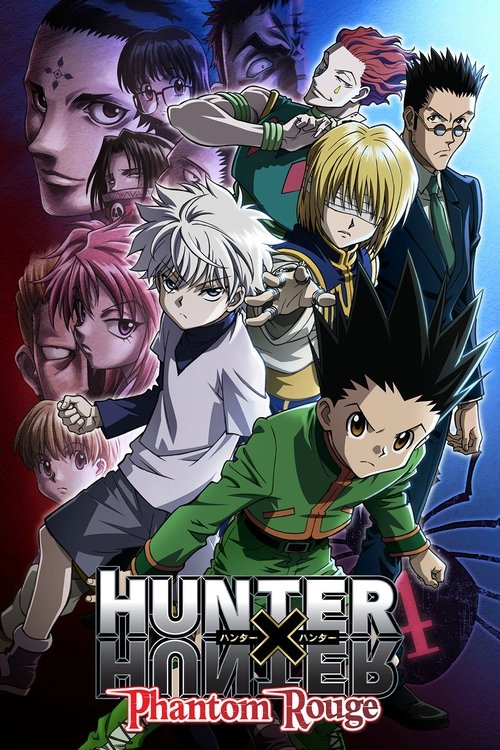
2013
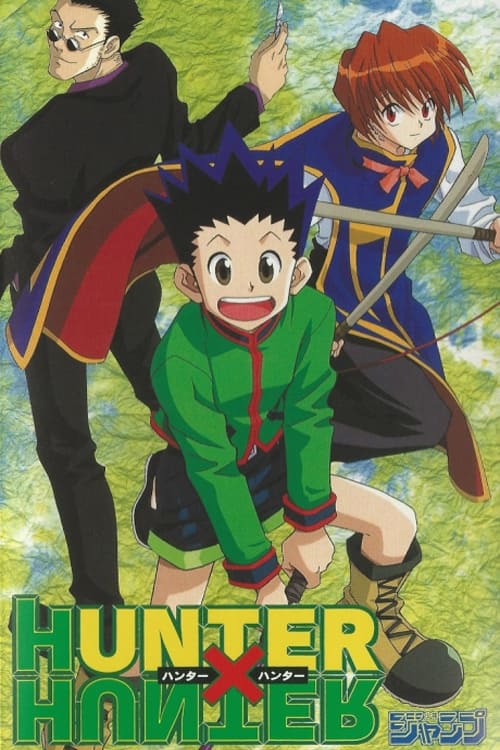
1998
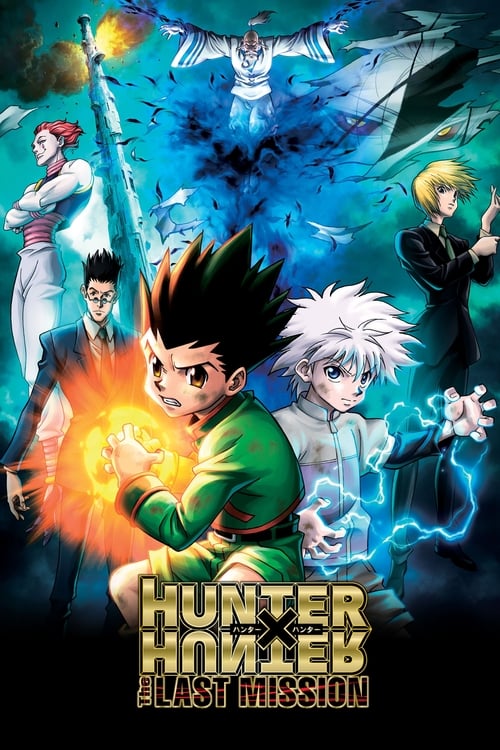
2013
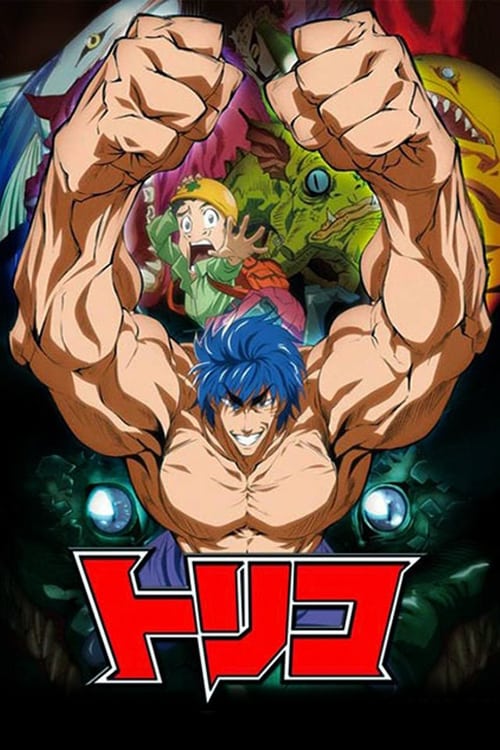
2009

2011
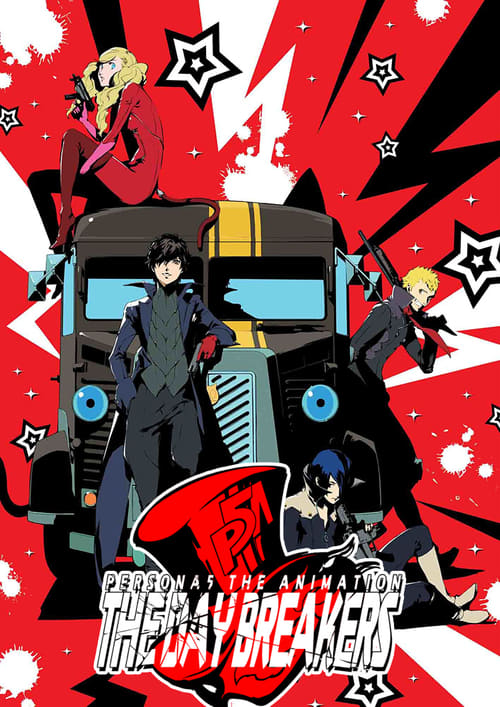
2016
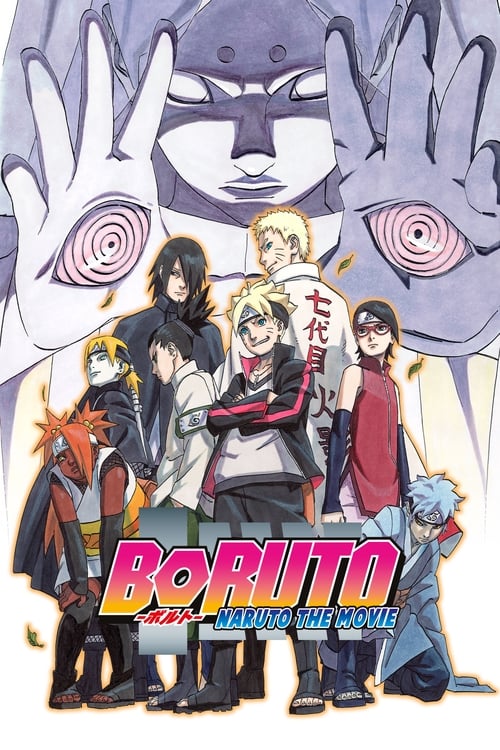
2015
No reviews yet. Be the first to share your thoughts on this movie!
Use the rating form above to leave a star rating and optional review.