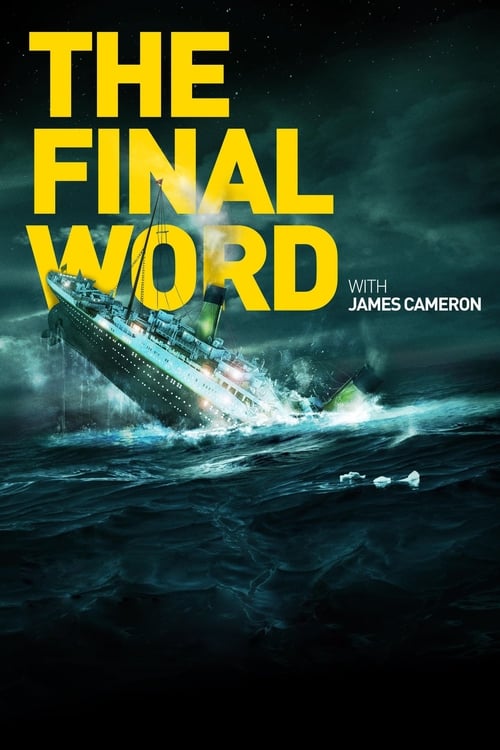
Titanic: The Final Word with James Cameron
2012
No user ratings available yet
Representation score: 0.9 out of 10
Representation Score
Minimal
2009
TV-PGDirector
Patrick Reams
Runtime
50 minutes
Average Rating
No ratings yetNew Showbiz Analysis
This National Geographic documentary serves as a forensic reconstruction of the Titanic disaster. It prioritizes technical causality and institutional oversight over social or identity-based storytelling. The narrative structure centers on the chain of human errors and the official inquiry following the sinking. Given its aim for historical accuracy in the context of 1912, the film mirrors the period’s social hierarchies. The focus remains on the mechanical and command-level decisions that led to the tragedy, reflecting the era’s dominant power structures. Ultimately, the production is designed for educational inquiry rather than challenging conventional narratives. It examines how the ship sank through an evidentiary lens rather than exploring diverse identities.
Category Breakdown
The documentary does not include any LGBTQ+ characters or stories. It focuses solely on the maritime disaster and the official inquiry.
The story centers on male-dominated maritime roles like captains and engineers. While female victims are mentioned, they do not play a significant role in the decision-making processes.
The film likely reflects the historical context of 1912, focusing on Anglo-Saxon maritime authorities rather than the experiences of non-white passengers.
The film adopts a secular perspective focused on systemic failures and forensic investigation. It prioritizes the official inquiry over religious or cultural critiques.
There is no indication that disability or neurodivergence plays a role in the narrative. These elements are not used as character drivers.
Present on Screen
Limited or Absent
Official Synopsis
The sinking of the Titanic was far more than a simple accident. It was a tragedy that could have been prevented. It was the result of a long chain of mistakes: a fatal series of avoidable human errors that sent the Titanic and more than half of her passengers to their watery graves. Based around the official inquiry held immediately after the event, plus evidence that's come to light since the wreck of the Titanic was discovered in 1985, National Geographic, in this drama-documentary special, answers the question: Who Sank the Titanic?
2012
2003
2017
2025
2007
2015
2004

2012
No reviews yet. Be the first to share your thoughts on this movie!
Use the rating form above to leave a star rating and optional review.