
Şaşkın Ördek
1983
No user ratings available yet
Representation score: 4.0 out of 10

Representation Score
Limited
1985
Director
Kartal Tibet
Runtime
87 minutes
Average Rating
No ratings yetNew Showbiz Analysis
The film focuses on the experiences of a Turkish migrant worker in Germany, highlighting the cultural and socioeconomic differences between Eastern and Western societies. However, it adheres to the gender norms and social structures of its time, lacking diverse representation for LGBTQ+ identities and failing to give women significant roles. The film primarily critiques cultural and economic disparities rather than exploring complex identities.
Category Breakdown
The film follows traditional 1980s comedy standards and does not include any stories or characters that represent LGBTQ+ or non-traditional gender identities.
The film upholds traditional gender roles where women have limited influence and few opportunities to drive the plot. Men's dominance is occasionally challenged, but women's roles remain minor.
The film features a Turkish protagonist living in Germany, offering a 'fish-out-of-water' perspective that challenges Western-centric norms.
The film uses cultural differences to explore socioeconomic disparities between migrants and the local population.
There is no indication of any characters with physical or cognitive disabilities in the film.
Present on Screen
Limited or Absent
Official Synopsis
Şaban is a poor man. In Germany, where Şaban went as a worker, tragicomic events happen.
1983
2011

2018

2018
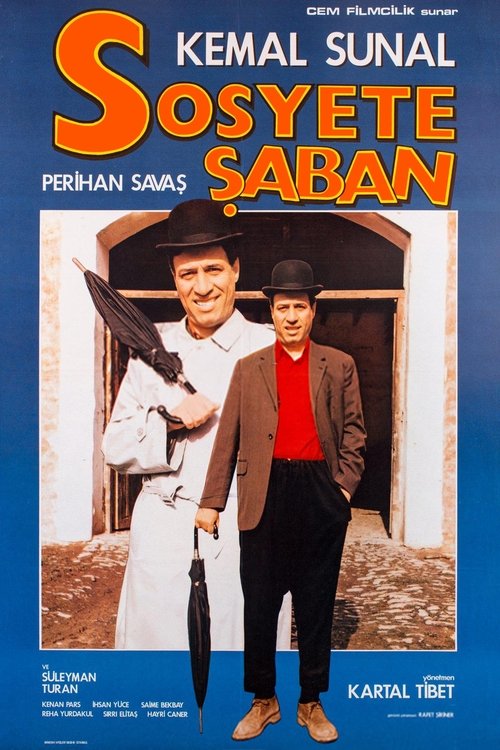
1985

2018
1982

1971
No reviews yet. Be the first to share your thoughts on this movie!
Use the rating form above to leave a star rating and optional review.