
A Good Family Kid
1978
No user ratings available yet
Representation score: 1.4 out of 10
Representation Score
Limited
1971
Director
Temel Gürsu
Runtime
94 minutes
Average Rating
No ratings yetNew Showbiz Analysis
The film's diversity is highlighted by its female-led narrative, positioning a young girl as the catalyst for social change. This choice moderately enhances gender representation by giving the protagonist a significant role in driving the story. However, the film lacks broader diversity, focusing primarily on localized social dynamics without a systemic critique of power structures or identity politics. While the Turkish origin provides a non-Western perspective, there is limited evidence of representation for other underrepresented groups.
Category Breakdown
The film does not include any characters with non-traditional gender identities. There are no stories that question the assumption that everyone is straight or cisgender.
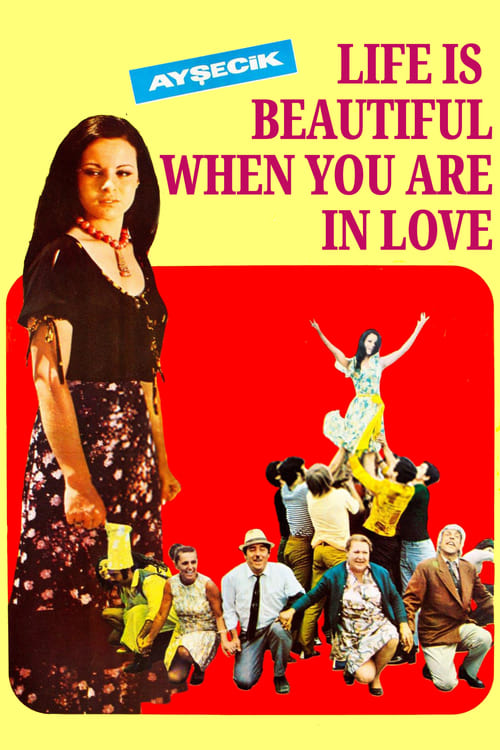
A young girl is the main character and drives the story forward. Her determination suggests a challenge to a potentially male-dominated, cynical community.
As a Turkish production, the film offers a non-Western cultural perspective. It provides a localized narrative that exists outside of Hollywood-centric norms.
The story follows a traditional dramatic structure focused on optimism. It is unclear if the film addresses secularism or traditional religious morality.
There is no information available regarding the depiction of physical or neurodivergent characters in this work.
Present on Screen
Limited or Absent
Official Synopsis
A young girl comes to an embittered town and confronts its attitude with her determination to see the best in life.
1978

1977

1985
1986

1991

1975

1979

1971
No reviews yet. Be the first to share your thoughts on this movie!
Use the rating form above to leave a star rating and optional review.