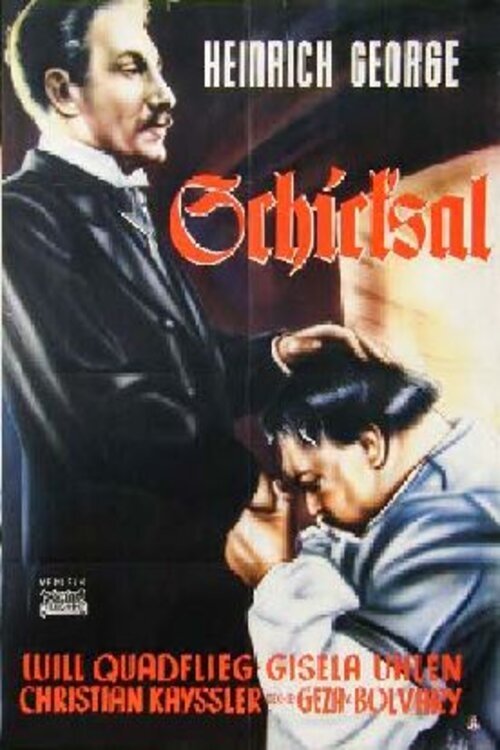
Schicksal
1942
No user ratings available yet
Representation score: 0.9 out of 10
Representation Score
Minimal
1942
K-16Director
László Kalmár
Average Rating
No ratings yetNew Showbiz Analysis
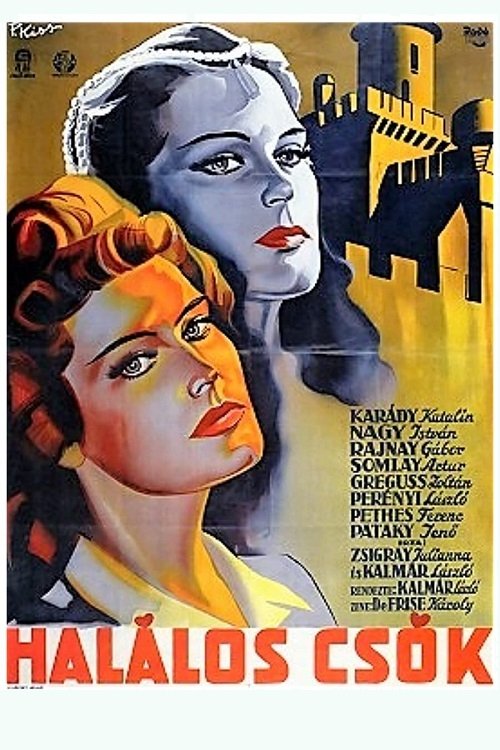
Halálos csók operates within the strict social hierarchies of 1942 Hungary. The film lacks clear examples of progressive representation or characters who reflect multiple aspects of identity. Due to the lack of specific narrative data, the film appears to uphold traditional cultural and social structures without challenging them. It reflects the homogeneous demographic and moral norms of its time, offering few insights into breaking conventional clichés.
Category Breakdown
The film does not include any characters with non-traditional gender identities or narratives that question the assumption that everyone is straight or cisgender. Given the censorship standards of 1942, such depictions were unlikely.
The story likely follows traditional gender roles typical of the era. There is no information confirming that women play significant roles in driving the plot or challenge domestic stereotypes.
The casting probably reflects the homogeneous demographics of 1940s Hungary. There is no indication of actors from diverse racial backgrounds being cast in roles traditionally held by those of European descent.
The film seems to adhere to the traditional moral frameworks of the early 1940s. It does not include themes that would challenge or disrupt established cultural norms.
There is no evidence of characters with visible or invisible disabilities. The film does not portray individuals with disabilities in a nuanced manner.
Present on Screen
Limited or Absent
1942
1938
1942
1934
1944
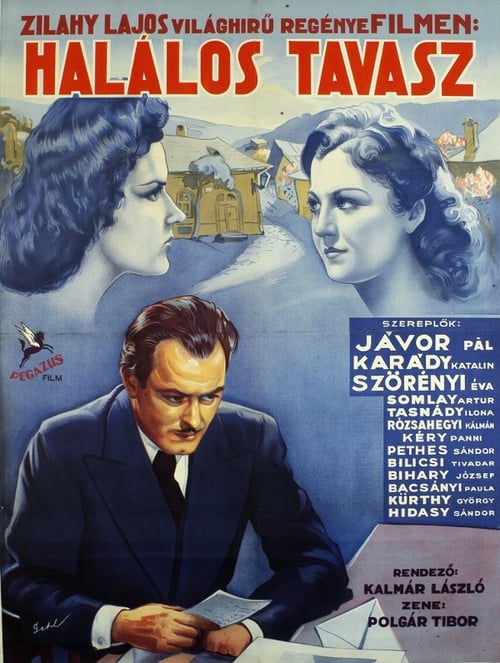
1939
1939
1942
No reviews yet. Be the first to share your thoughts on this movie!
Use the rating form above to leave a star rating and optional review.