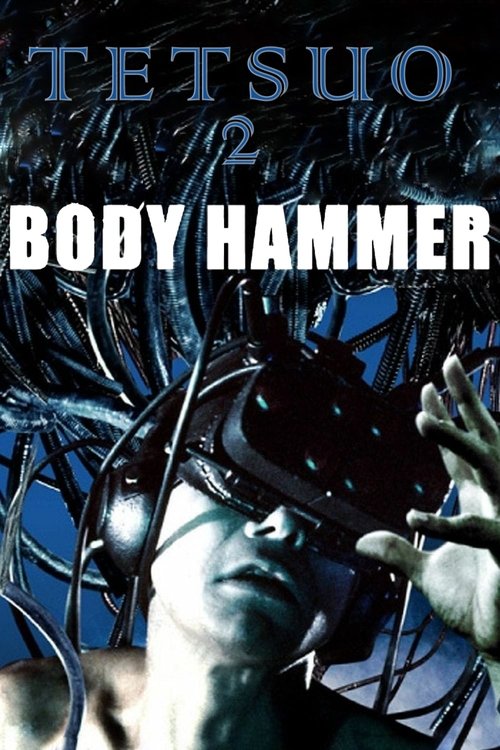
Tetsuo II: Body Hammer
1992
No user ratings available yet
Representation score: 5.9 out of 10

Representation Score
Fair
1986
Director
Shigeru Izumiya
Runtime
64 minutes
Average Rating
No ratings yetNew Showbiz Analysis
Death Powder is a surrealist science fiction film that prioritizes conceptual disruption over explicit demographic representation. It excels in its departure from Western-centric storytelling and its exploration of deconstructing objective reality through a Japanese lens. However, the film lacks specific details about the identities of its characters, leaving the actual presence of diverse identities unverified. Ultimately, the film functions as an experimental piece that questions established truths rather than focusing on traditional character-driven diversity.
Category Breakdown
The film hints at fluid identities through its exploration of interconnected subjectivity, but it does not explicitly confirm any LGBTQ+ characters or non-cisgender identities.
The story focuses on three conspirators, which might challenge traditional gender hierarchies, but the film does not provide specific details about gender roles.
As a Japanese production, the film offers a non-Western perspective. Additionally, the use of an android serves as a metaphor for exploring themes of identity and otherness.
The narrative emphasizes the deconstruction of objective truths and subjective experiences, challenging traditional institutional or moral certainties.
There is no information available regarding the portrayal of physical or neurodivergent disabilities in the film.
Present on Screen
Limited or Absent
Official Synopsis
Three conspirators steal a secret android. In their warehouse hideout, the android secretes a reality-altering substance, which casts them into a frightening nether-world of interconnected subjectivity.
1992
1966
2004
1967
1987
1986
2010
1962
No reviews yet. Be the first to share your thoughts on this movie!
Use the rating form above to leave a star rating and optional review.