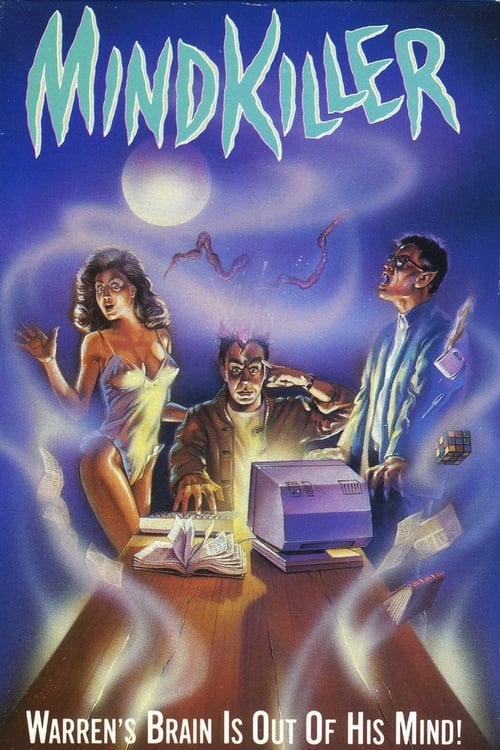
Mind Killer
1987
No user ratings available yet
Representation score: 4.1 out of 10
Representation Score
Limited
1980
PGDirector
Jack M. Sell
Runtime
90 minutes
Average Rating
No ratings yetNew Showbiz Analysis
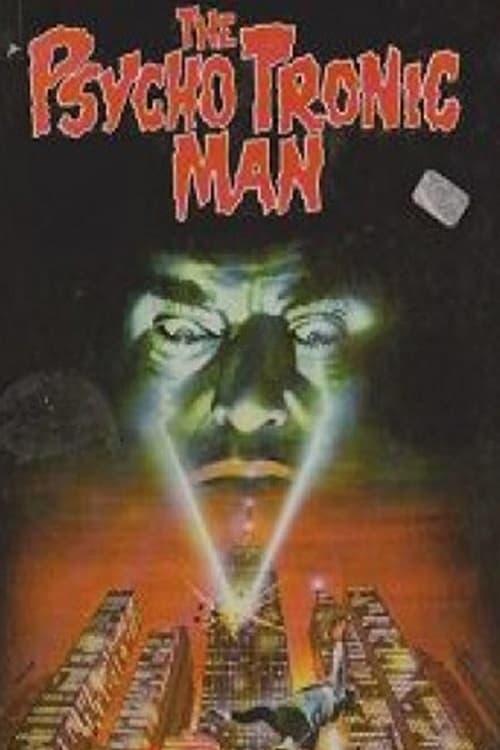
The Psychotronic Man is a conventional genre piece of the early 1980s, relying heavily on established clichés. Its narrative structure emphasizes individualistic power and masculine dominance, offering little in the way of social disruption. Representation is minimal, focusing on a central protagonist within a homogeneous framework without engaging with systemic critiques or diverse cultural perspectives.
Category Breakdown
The film does not include LGBTQ+ characters or narratives typical of the 1980s genre standards.
The story focuses on a male protagonist who exercises supernatural dominance, aligning with traditional masculine clichés of the era.
The production adheres to the homogeneous casting norms of 1980s independent sci-fi, lacking any emphasis on racial diversity or multi-layered depth.
The narrative operates within a standard morality framework, avoiding critiques of Western institutions or anti-capitalist and anti-religious themes.
Psychotronic powers are used as a supernatural plot device rather than a nuanced look at neurodivergence, potentially treating mental instability as a horror cliché.
Present on Screen
Limited or Absent
Official Synopsis
A man discovers that he has psychotronic powers--the ability to will people to die. He begins exercising that power.
1987
1978

1995
1963
1959

1978
1990
1967
No reviews yet. Be the first to share your thoughts on this movie!
Use the rating form above to leave a star rating and optional review.