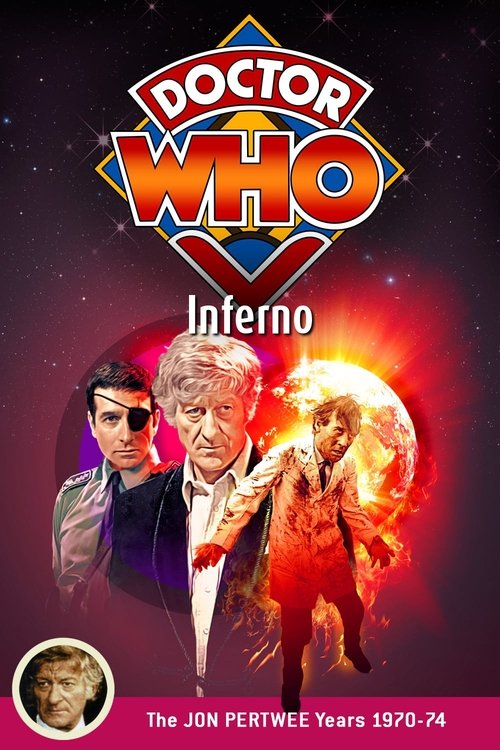
Doctor Who: Inferno
1970
No user ratings available yet
Representation score: 4.6 out of 10
Representation Score
Limited
1968
Director
Douglas Camfield
Runtime
150 minutes
Average Rating
No ratings yetNew Showbiz Analysis
This production stands out due to its contrast between the social limitations of its time and its forward-thinking portrayal of women. Despite the lack of racial and LGBTQ+ diversity, the character of Liz Shaw offers a sophisticated example of female intellectual ability to act that challenges contemporary stereotypes. However, the narrative remains firmly rooted in traditional social values. By focusing the conflict on the organized response of military and scientific bodies, the story upholds established institutional hierarchies without questioning them. Overall, the film is a study in Gothic horror that successfully challenges gender norms while maintaining the demographic and structural conservatism of 1968.
Category Breakdown
The film does not depict any queer identities or provide any non-straight subtext. The character interactions focus solely on survival.
Liz Shaw is portrayed as a highly capable scientist who acts as an equal to the Doctor. She breaks the damsel-in-distress stereotype by playing a significant role in driving the story.
The cast is predominantly made up of white British actors, reflecting the demographics of the time. The Yeti are presented as non-human threats rather than ethnic symbols.
The story emphasizes the importance of structured, authoritative responses from military and scientific organizations. It prioritizes institutional stability over critical views of Western society.
There are no main characters or storylines focusing on physical or neurodivergent disabilities. The tension revolves around the external biological threat.
Present on Screen
Limited or Absent
Official Synopsis
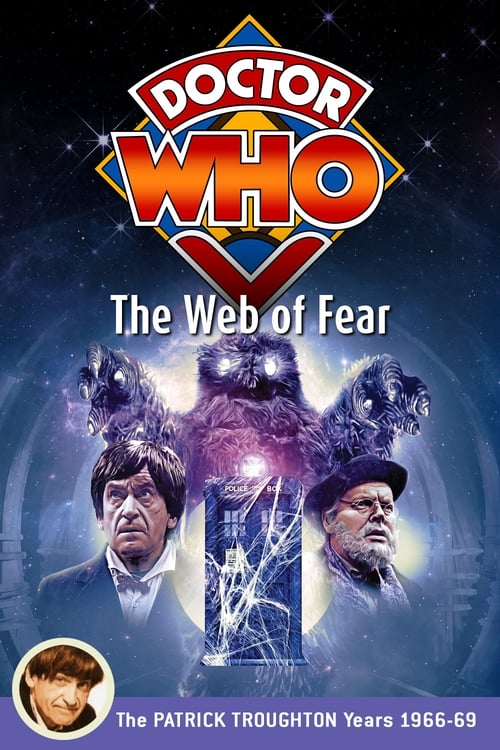
The TARDIS narrowly avoids becoming engulfed in a cobwebby substance in space. It arrives in the London Underground railway system, the tunnels of which are being overrun by the web and by the Great Intelligence's robot Yeti. The time travellers learn this crisis was precipitated when Professor Travers, whom they first met in the Himalayas some thirty years earlier, accidentally caused one of the Yeti to be reactivated, opening the way for the Intelligence to invade again.
1970
1967
1989
2014
1967

1965

1976
1977
No reviews yet. Be the first to share your thoughts on this movie!
Use the rating form above to leave a star rating and optional review.