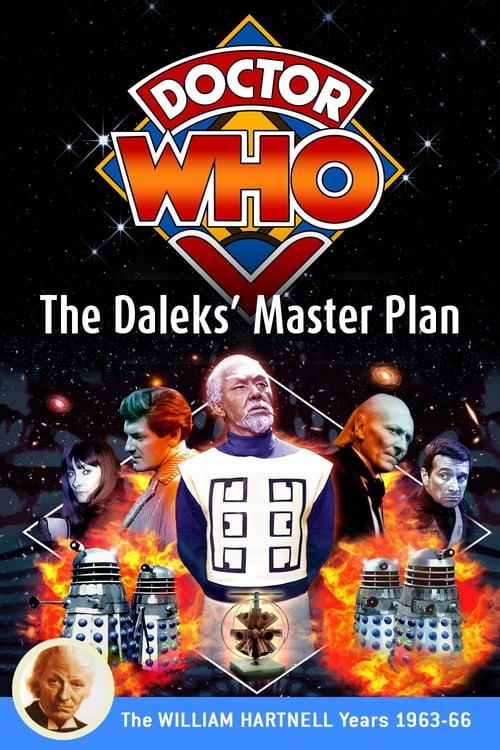
Doctor Who: The Celestial Toymaker
1966
No user ratings available yet
Diversity score: 1.5 out of 10

1965
Director
Douglas Camfield
Runtime
100 minutes
Average Rating
No ratings yetSynopsis
In England, 1066, the Doctor confronts a mysterious Monk who is attempting to change history.
Overall Score
Minimal
Category Breakdown
LGBTQ+ Representation
The narrative contains no depictions of non-cisnormative gender identities or same-sex intimacy. Character dynamics adhere strictly to the social conventions of the 1960s.
Gender Representation
Female characters Barbara and Vicki demonstrate intellect and agency, successfully passing the Bechdel test. However, central power dynamics remain anchored in the male leads.
Racial & Ethnic Diversity
The cast is predominantly white, reflecting the demographic homogeneity of 1960s British television. The 1066 England setting lacks racial blending or non-Anglo-Saxon representation.
Religious & Cultural Diversity
The story reinforces a singular historical truth, with the Doctor acting as a guardian of the natural order. It focuses on preserving a fixed timeline rather than exploring systemic oppression.
Disability Representation
There are no visible or invisible disabilities portrayed within the primary cast or supporting characters. Disability is not used as a central theme.
Strengths
Areas for Improvement
AI Analysis
This production is a quintessential product of its era, prioritizing the maintenance of a stable, traditionalist status quo. The narrative focuses on historical preservation and the defense of an objective reality, which limits the exploration of diverse identities. While the female characters possess agency and pass the Bechdel test, the broader social structure remains conventional. The lack of racial blending and the absence of LGBTQ+ or disability representation reflect the broadcasting standards of the mid-1960s.
No reviews yet. Be the first to share your thoughts on this movie!
Use the rating form above to leave a star rating and optional review.