
Trapped in Paradise
1994
No user ratings available yet
Representation score: 3.3 out of 10
Representation Score
Good
1993
PG-13Director
E. Max Frye
Runtime
96 minutes
Average Rating
No ratings yetNew Showbiz Analysis
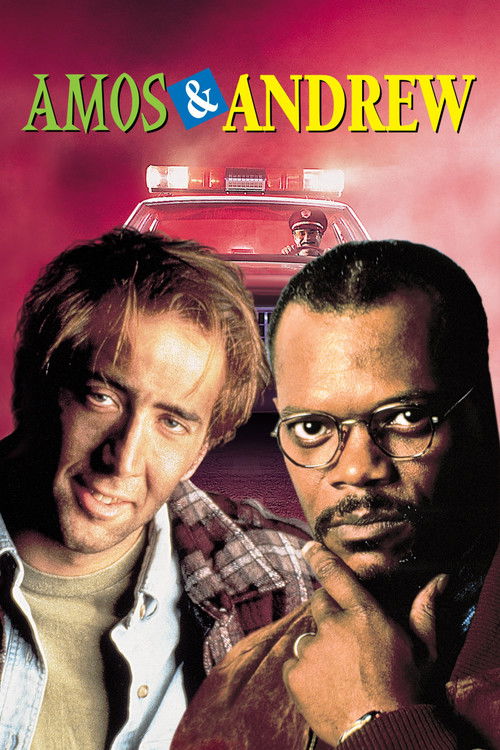
Amos & Andrew stands out for its intentional approach, placing Black masculinity and queer identity at the heart of its narrative. By centering a romantic relationship between two Black men in a rural New England setting, the film disrupts traditional genre expectations and challenges social hierarchies. The film uses its plot to critique systemic issues, such as racial profiling and the fallibility of small-town institutions. It treats underrepresented identities as primary rather than secondary. While the film excels in its nuanced exploration of identity and ability to act, it lacks representation regarding physical or neurodivergent disabilities.
Category Breakdown
The film centers the romantic relationship between two Black male protagonists, integrating their intimacy into the core character arcs rather than treating it as a side story.
The narrative challenges the stereotype of hyper-masculinity by highlighting male vulnerability and emotional complexity. The protagonists play a significant role in driving the story through their personal bond.
A predominantly Black cast explores themes of racial perception and systemic error. The central conflict uses a case of mistaken identity to critique racial profiling.
The story subtly critiques institutional power through the depiction of local law enforcement. It prioritizes the subjective truth of the protagonists over the flawed moral frameworks of the community.
There is no significant evidence regarding the portrayal of physical or neurodivergent disabilities within the film.
Present on Screen
Limited or Absent
Official Synopsis
When Andrew Sterling, a successful black urbanite writer, buys a vacation home on a resort in New England the police mistake him for a burglar. After surrounding his home with armed men, Chief Tolliver realizes his mistake and to avoid the bad publicity offers a thief in his jail, Amos Odell a deal.
1994

1990
1999
1986
2008

1999

1985
1977
No reviews yet. Be the first to share your thoughts on this movie!
Use the rating form above to leave a star rating and optional review.