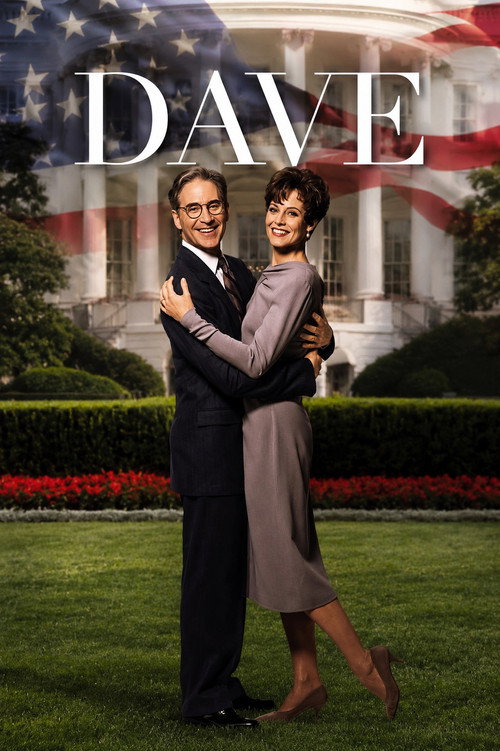
Dave
1993
No user ratings available yet
Representation score: 4.2 out of 10

Representation Score
Limited
1990
RDirector
Arthur Hiller
Runtime
108 minutes
Average Rating
No ratings yetNew Showbiz Analysis
The film contrasts its traditional demographic makeup with progressive themes. While the casting and gender dynamics follow conventional 1990s formulas, the narrative challenges authority as a form of empowerment. The story highlights the struggles of the working class against rigid economic structures. Despite this, it lacks significant representation for LGBTQ+ or female characters. Ultimately, the film's strength lies in its critique of capitalist bureaucracy and municipal laws, even though it falls short in providing diverse central themes.
Category Breakdown
The film does not include any LGBTQ+ characters or stories. The social environment is strictly conventional, offering no engagement with queer identities.
The story focuses on the camaraderie of a male ensemble, making it heavily male-centric. Women play secondary, supporting roles while men drive the main conflict.
The ensemble includes a mix of races and ethnicities, reflecting New York City's urban feel. However, diversity is more about the atmosphere than a central theme of the plot.
The film critiques Western institutions by portraying illegal street vending as a survival tactic. It frames rebellion against economic systems as a sympathetic act.
There are no prominent depictions of physical or neurodivergent disabilities serving as central narrative elements.
Present on Screen
Limited or Absent
Official Synopsis
An uptight advertising exec has his entire life in a filofax organizer which mistakenly ends up in the hands of a friendly convict who poses as him.
1993

1990

1983

1986
1986

1980

2015
1990
No reviews yet. Be the first to share your thoughts on this movie!
Use the rating form above to leave a star rating and optional review.