
Daughters of Lesbos
1968
No user ratings available yet
Representation score: 4.1 out of 10
Representation Score
Fair
1968
Director
Peter Woodcock
Runtime
65 minutes
Average Rating
No ratings yetNew Showbiz Analysis
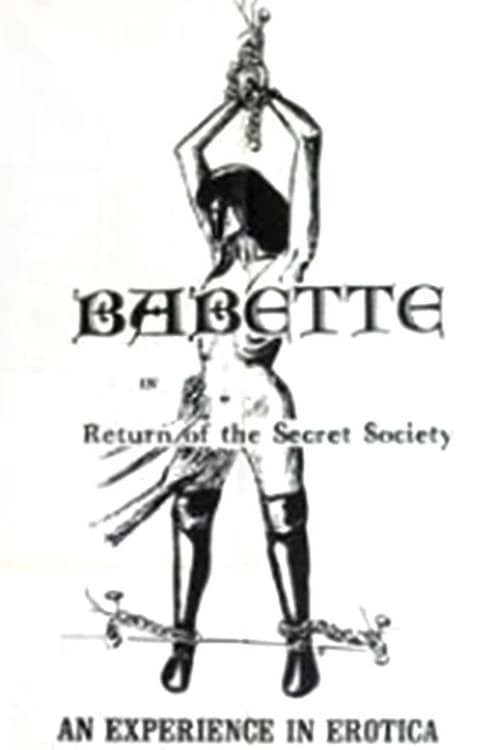
Return of the Secret Society stands out for its progressive themes focusing on identity and liberation. By centering a lesbian awakening and female sexual ability to act, the film challenges the conservative social frameworks of 1968. It moves beyond simple eroticism to explore communal queer belonging. However, the film's impact is limited by a lack of racial diversity. The narrative appears to rely on the conventional casting standards of the era, focusing on a singular protagonist's journey without broader ethnic representation. Ultimately, the film prioritizes subjective experience and the disruption of traditional gender roles, making it a notable example of period-specific identity-driven cinema.
Category Breakdown
The film focuses on a lesbian awakening, guiding the protagonist towards a queer identity. It portrays the 'daughters of Lesbos' as a community rather than a deviation from normative relationships.
Babette challenges traditional gender roles by actively participating in her own exploration rather than being a passive object of the male gaze. She exercises sexual ability to act and desire, taking control of her journey.
The narrative lacks explicit evidence of a diverse or non-Anglo-Saxon cast. The focus remains on a personal journey that suggests a reliance on conventional period casting standards.
The story challenges Western moralities by prioritizing carnal liberation over social constraints. It presents non-traditional sexual structures as valid paths for self-discovery and personal growth.
There is no evidence of characters with visible or invisible disabilities within the film's context.
Present on Screen
Limited or Absent
Official Synopsis
Babette and her sexual exploits, narrating her Emmanuelle-style lustful encounters in the big city. Babette needs cash, contacts a photographer, and enters a new society where she satisfies her carnal desires. Soon, as her lesbian awakening flourishes, Babette will meet the "daughters of lesbos" and the rest is history.
1968

1967

1966
1977

1969

1969

1968

1973
No reviews yet. Be the first to share your thoughts on this movie!
Use the rating form above to leave a star rating and optional review.