
Bombshell
1933
No user ratings available yet
Representation score: 3.3 out of 10
Representation Score
Limited
1933
NRDirector
William A. Seiter
Runtime
73 minutes
Average Rating
No ratings yetNew Showbiz Analysis
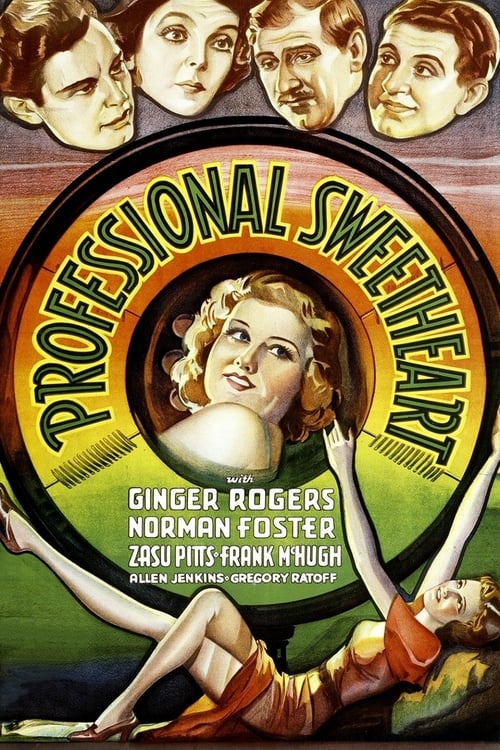
Professional Sweetheart is a period comedy that thrives on the contrast between public personas and personal desires. It moderately explores women's ability to drive the story, as the protagonist resists the restrictive, commodified archetypes of womanhood imposed by corporate sponsors. However, the film remains confined to the demographic uniformity and traditional social hierarchies of early 1930s Hollywood. While it challenges gender norms, it lacks broader multi-layered depth or systemic critique. The narrative depends on class-based clichés and conventional romantic structures, omitting significant representation of race, culture, and LGBTQ+ identities.
Category Breakdown
The film follows a traditional romantic comedy structure focused on heterosexual relationships. There are no characters with non-binary gender identities or same-sex relationships.
The character Glory Eden challenges traditional feminine roles by pursuing interests typically associated with masculinity, such as jazz and gambling. She rebels against the corporate-imposed ideal of a 'pure' image, offering a critique of the performance of domesticity.
The cast appears uniform, reflecting the typical makeup of the studio system during that time. The narrative highlights class differences between high society and rural folks but does not explore racial diversity.
The plot criticizes Western commercialism by contrasting manufactured morality with personal freedom. This tension between capitalist branding and genuine desires fuels the comedic elements.
There is no depiction of characters with visible or invisible disabilities having ability to act or being part of the story.
Present on Screen
Limited or Absent
Official Synopsis
Radio singer Glory Eden is publicized as the ideal of American womanhood in order to sell the sponsor's product Ippsie-Wippsie Washcloths. In reality, Glory would like to at least sample booze, jazz, gambling, and men. When the strain of representing "purity" brings her to rebellion, the sponsor and his nutty henchmen pick her a public-relations "sweetheart" from fan mail, who turns out to be a hayseed.
1933

1934
1936

1937

1937

1933
1932
1925
No reviews yet. Be the first to share your thoughts on this movie!
Use the rating form above to leave a star rating and optional review.