
Blonde. Purple
2021
No user ratings available yet
Representation score: 2.8 out of 10
Representation Score
Fair
2004
Director
Erich Hörtnagl
Runtime
97 minutes
Average Rating
No ratings yetNew Showbiz Analysis
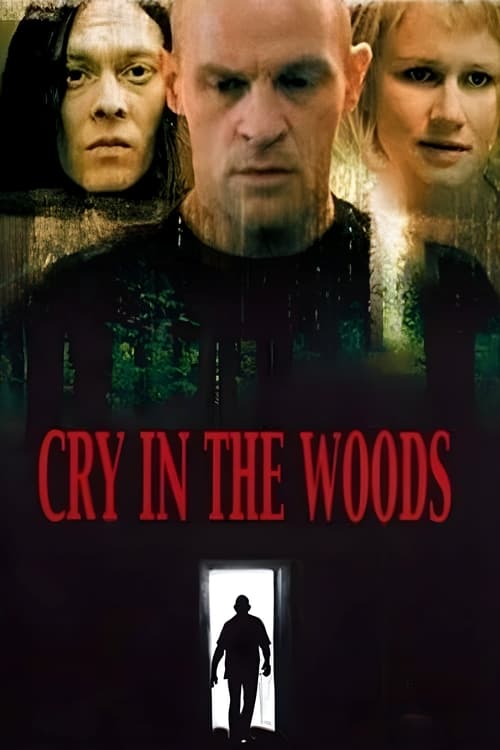
A Cry in the Woods operates as a traditional Norwegian crime noir, prioritizing psychological tension over demographic variety. It succeeds in providing professional ability to act to its female lead and offers a sophisticated look at mental health and neurodivergence through its central characters. However, the film remains largely conventional in its social makeup. The casting is homogeneous, and there is a notable absence of LGBTQ+ representation or multi-layered complexity. While it challenges institutional fallibility, it does not seek to disrupt broader social hierarchies. Ultimately, the film is a character-driven thriller that excels in psychological depth but lacks intentional efforts toward diverse representation.
Category Breakdown
The film does not include explicit representations of LGBTQ+ identities or dynamics that challenge the assumption that everyone is straight or cisgender. The narrative centers on the interactions between the investigator, therapist, and patient.
Sara Rask plays a significant role in driving the story, rather than being a passive character. Her professional expertise and intellect are crucial to resolving the central conflict.
The casting follows a homogeneous Nordic profile consistent with the Norwegian setting. There are no non-white characters or multicultural elements that disrupt the social hierarchy.
The story critiques institutional judgment and the fallibility of state investigations within established Norwegian social and legal structures.
The film explores neurodivergence through Erkki Jorma, avoiding simplistic clichés. A therapist protagonist provides a nuanced perspective on mental health and systemic skepticism.
Present on Screen
Limited or Absent
Official Synopsis
An unfortunate bank robber takes an escaped mental patient, wanted for murder, as hostage.
2021

1995
2007

1974

2013

2000

1971
2009
No reviews yet. Be the first to share your thoughts on this movie!
Use the rating form above to leave a star rating and optional review.