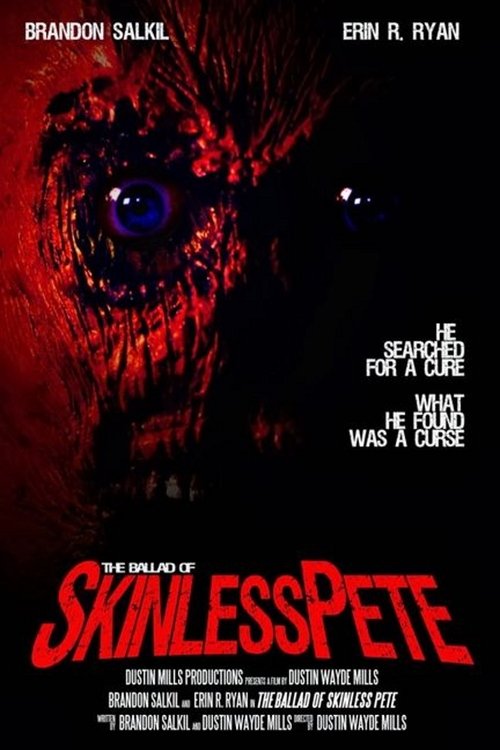
Skinless
2014
No user ratings available yet
Representation score: 2.5 out of 10

Representation Score
Good
2013
Director
David Cronenberg
Runtime
10 minutes
Average Rating
No ratings yetNew Showbiz Analysis
David Cronenberg uses body horror to challenge traditional notions of bodily autonomy and social norms. The film's focus on a parasitic infestation within a breast shifts the narrative away from idealized aesthetics toward a raw, biological reality. While the short format limits explicit demographic representation, the thematic architecture disrupts conventional expectations of the 'natural' body. The work functions as a concentrated study of physical ability to act and the grotesque.
Category Breakdown
The film examines physical vulnerability through a clinical lens, suggesting a disruption of traditional purity standards. Specific queer identities are not explicitly confirmed, but the focus on bodily deconstruction hints at a potential challenge to norms assuming everyone is straight or cisgender.
The story centers on the female anatomy and the medicalized experience of the body. By transforming the breast into a site of biological struggle and ability to act, the film subverts traditional feminine archetypes.
There is insufficient information regarding the racial or ethnic composition of the cast or the narrative's approach to ethnic diversity.
The film prioritizes a secular, biological perspective over religious frameworks. It frames the infestation as a scientific reality rather than a moral or divine punishment.
The parasitic infestation serves as a metaphor for bodily dysfunction and lost autonomy. This explores the experience of inhabiting a body affected by biological anomalies.
Present on Screen
Limited or Absent
Official Synopsis
A doctor must remove a parasite infestation from within a patient's breast.
2014

1987

2018

2005

2023

1977

2019

1975
No reviews yet. Be the first to share your thoughts on this movie!
Use the rating form above to leave a star rating and optional review.